
The plot is bought, the design is ready, the building permit has been issued. Then it turns out there will be no permanent power for months, and the nearest sewer is three hundred metres away. Connecting to the networks is the most underestimated part of building a house. It is not complicated, but it has its own sequence and its own deadlines — and they need to run in parallel with the design, not after it.
This guide continues our pieces on buying a plot to build a house and building your own house.
When you apply to the municipality for a design visa, you can, under Art. 140a of the Spatial Planning Act, request the utilities' initial data at the same time — from the electricity distributor, the water utility and, if relevant, the gas company. The municipality forwards the request within 7 days, and the utilities issue their opinions within 14 days.
The initial data show where the nearest connection point is and what will have to be built. That is why it makes sense to see them before you complete the purchase of the plot — with a power of attorney or the seller's consent.
The procedure is set out in the energy regulator's Ordinance No. 6 of 28 March 2024 on connecting sites to the electricity networks, which replaced the old 2014 ordinance. Which company you deal with depends on the region: ERM Zapad (Sofia and western Bulgaria), ERP Sever (the former Energo-Pro grid) or ER Yug (the former EVN grid).
1. Request for a study. Filed with the distributor, with the property documents and the power you need. If a document is missing, the distributor tells you within 5 working days and you have 30 days to supply it — otherwise the procedure ends.
2. Opinion on the connection conditions. For ordinary cases it is issued within 14 days; more complex cases take longer. The opinion is valid for 1 year. It states the connection point, the facilities to be built and whether the network needs reinforcing. If there is not enough capacity in the area, any refusal must give reasons and set out the measures required.
3. Connection contract. You request it before the opinion expires, presenting the building permit and the approved architecture and electrical parts of the design. The distributor sends a draft within 15 days, and you must sign within 30 days of the invitation — otherwise the procedure ends.
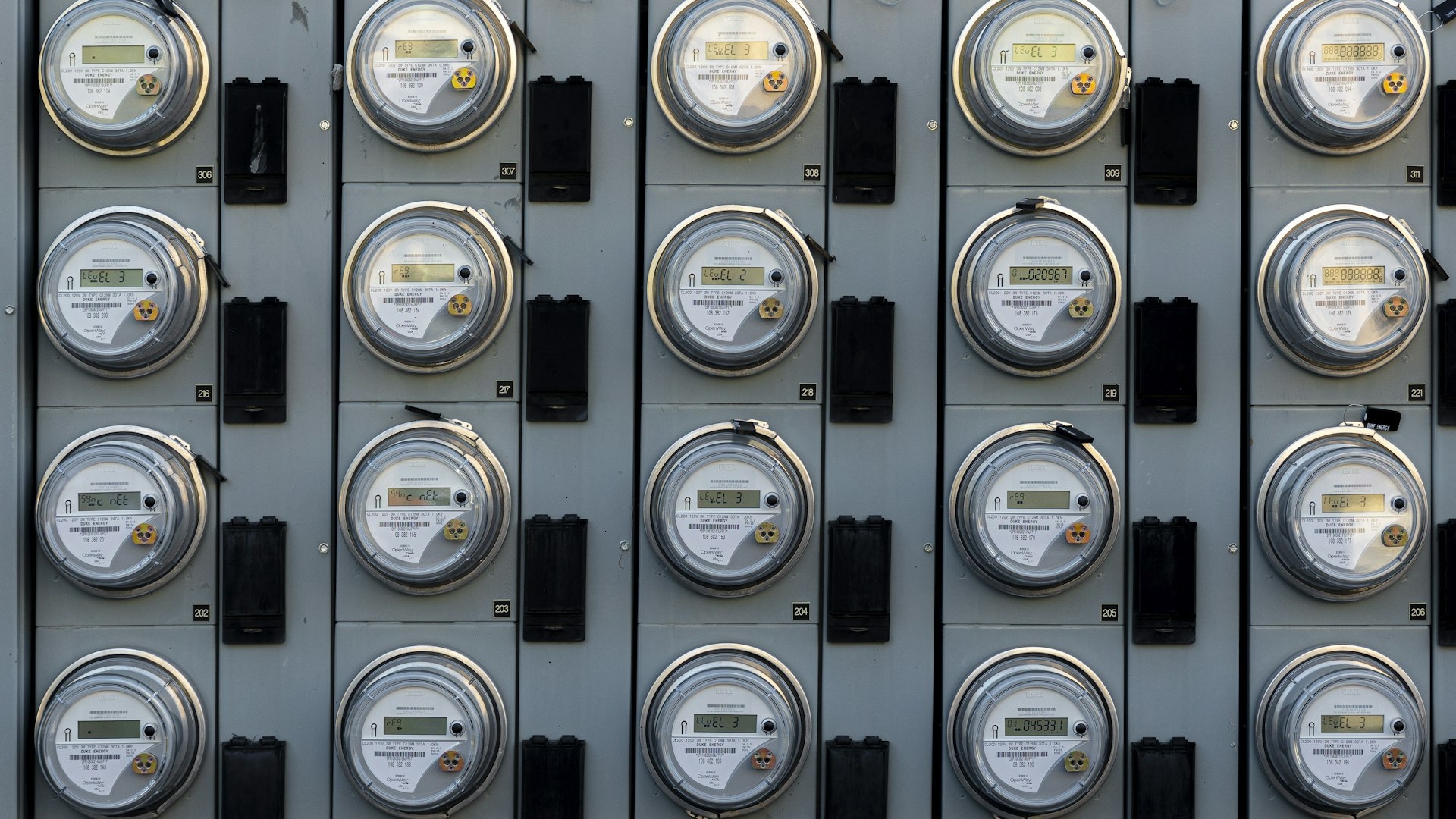
4. Construction. Low-voltage facilities up to the property boundary are built by the distributor, at its expense, and remain its property. The meter board goes on or next to the plot boundary, at a spot the distributor chooses. Work begins only once the connection price has been paid and any necessary easements are in place. The law sets no fixed deadline for construction — it is written into the contract, so read it carefully.
By agreement with the distributor you can design and build the facilities yourself; they are then transferred to the distributor against recognised costs, which are offset against the connection price. This sometimes speeds things up, but it needs a good contractor and prior agreement.
5. Switch-on. Power is supplied within 7 days of you presenting the contracts for grid access, transmission and electricity supply.
Temporary power for the building site is arranged separately. It requires either a signed connection contract for the building or a design visa under Art. 140a. If no new facilities are needed, only the study fee is payable.
The connection price depends on the distributor, the power and the location. As an example, these are ER Yug's published prices including VAT, at 230/400 V inside settlement boundaries:
| Power | Connection price |
|---|---|
| up to 6 kW | €227.01 |
| 7–15 kW | €355.86 |
| 16–50 kW | €1,184.15 up to 25 m + €13.29 per additional metre |
ER Yug's study fee is €40.90 up to 6 kW and €50.62 for 7–15 kW.
The key line, though, is below the table: for properties outside settlement boundaries the price is set individually, at actual cost. For a plot in open land or a remote holiday zone that can be the biggest unknown in the budget. ERM Zapad and ERP Sever apply their own price lists — ask the distributor for your area.
Connection to the water network follows Ordinance No. 4 of 2004 and has the same logic: study → approved design → contract → construction.
If the connection has to cross a neighbouring plot, you need a contract with notarised signatures under Art. 193 of the Spatial Planning Act, entered in the Property Register. How such a right is created and what it restricts is covered in our guide to easements and rights of way.
If there is no sewer in the street, the operator may refuse a sewer connection. The design then provides another solution — a cesspit, for example — and in Sofia that also has to be agreed with the municipality. Where there is no street network at all, Sofiyska Voda notes that the client may have to build the street section under a contract with Sofia Municipality. Clarify this before you buy — the difference to the budget is significant.
A well for your own needs is possible inside a settlement, on your own land and for small volumes — up to 10 cubic metres a day, with prior notice to the river-basin directorate under Art. 43 of the Water Act. It supplements, but does not replace, a mains connection where the bank or the municipality requires one.
Gas supply is also contract-based, and its initial data can be requested together with the Art. 140a visa. Whether there is a network in your street is something to check directly with the gas company for the area.
When we sell a plot or a house under construction, we always ask what the electricity distributor and the water utility have said — and if nobody has asked yet, that is where we start. If you like a plot and want to know how long it will take, and what it will cost, to get power and water there, call us or come into the office.
Verified 10 November 2026. Connection prices are ER Yug's, including VAT, and indicative — they change and differ between distributors. This is general information, not legal advice for a specific case.
