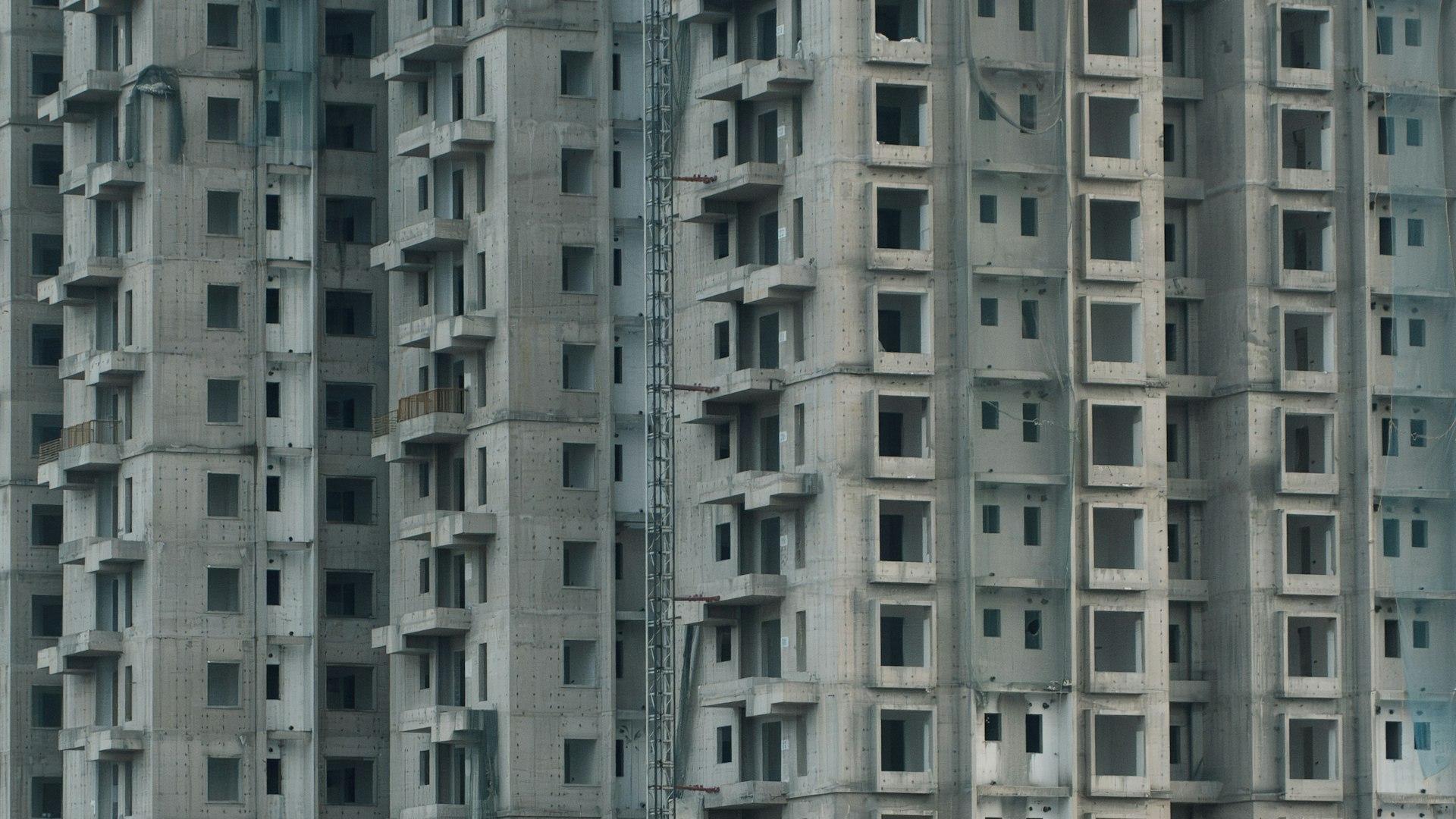
Buying off-plan with the aim of reselling before completion worked while prices rose quickly and new buyers kept arriving. In autumn 2026 more and more commentary in the Bulgarian media speaks of the end of that model, and statistics office data show fewer new homes in building permits. For some buyers the question is no longer "when do I sell?" but "how do I get out of the contract without losing everything?"
This guide is for them — and for anyone whose circumstances have changed: a declined mortgage, a move, a divorce, a drop in income. How a preliminary contract is concluded and what it should contain is covered in our guide to deposits and preliminary contracts. Here we look at the way out.
Until the final notarial deed you are not the owner of the apartment. What you hold is a contract that gives you rights (to receive ownership on the agreed terms) and imposes obligations (to pay the rest of the price on schedule). So "selling" an off-plan home before the deed is really transferring a contract — and Bulgarian law treats the rights and the obligations differently.
What Act 14, 15 and 16 mean for a buyer is explained in our guide to the stages of a new-build purchase.
Your rights under the contract can be transferred by assignment (Art. 99 of the Obligations and Contracts Act, ЗЗД) without the developer's consent, unless the law or the contract forbids it. The assignment takes effect against the developer only once you, as the original creditor, notify it (Art. 99(3)–(4)).
Your obligations, however — the unpaid part of the price — cannot pass to a new buyer without the developer's express consent. Art. 102(1) is unambiguous: a third party may replace the debtor only with the creditor's express consent. If the new buyer merely joins the debt without the developer releasing you, the two of you are jointly liable (Art. 101) — meaning the developer can still pursue you for payment.
In practice: without the developer's written consent you cannot cleanly walk away from the contract. Bulgarian legal writing treats this as the rule — replacing the buyer under a preliminary contract requires the seller's consent.
The standard form in practice is a tripartite agreement between you, the new buyer and the developer. It should state clearly:
The law prescribes no special form for the agreement, but check what your preliminary contract says. If its signatures were notarised, it is sensible to use the same form for the agreement.
Many preliminary contracts say the buyer may not transfer their rights without the developer's consent — sometimes backed by a penalty. Breaching such a clause does not necessarily make the transfer void, but it makes you liable for the penalty and any damage. Either way the route is the same: negotiate with the developer. In a cooling market many developers prefer a solvent new buyer to a dispute with an insolvent old one.
If the new buyer pays you more than you have paid the developer, the difference is taxable income. In one of its opinions the National Revenue Agency (НАП) takes the view that this income does not arise from transferring real rights, so the exemption for selling a home under Art. 13 of the Personal Income Tax Act does not apply — however long you have held the contract. The amount above what you paid is declared in your annual tax return and taxed at the flat 10% rate.
Practice is not uniform on exactly which article the income falls under, and that affects whether a standard expense deduction is allowed. Before you sign, ask an accountant to run your numbers.
This is the most expensive option. If you paid a deposit (задатък) and fail to perform, the developer may terminate the contract and keep the deposit (Art. 93(2)). If the contract includes a penalty, it is owed without the developer having to prove loss, and if the loss is greater it can claim that too (Art. 92).
The developer has another option: instead of terminating, it can sue under Art. 19(3) and ask the court to declare the preliminary contract final — in which case you owe the full price. Termination itself requires a written warning and a reasonable period to perform (Art. 87(1)).
It is different if construction stops or deadlines are repeatedly missed. Then you can set a deadline and terminate, and if you paid a deposit you can claim double the amount (Art. 93(2)). The exact deadlines in the contract and the evidence of delay are what matter. How to assess a developer before you sign is set out in our guide to vetting the developer.
Don't assume the market will return asking-price levels. In the third quarter nearly every second deal in the big cities closed at a discount, and a buyer taking over a contract also takes on the construction risk. The realistic price is the one at which the apartment still interests a buyer comparing it with finished homes in the same area.
If you are thinking of exiting an off-plan purchase, give us a call or drop by our office. We will review your contract, tell you what your realistic options are and can look for a buyer for your rights.
This guide is general and is no substitute for legal advice on a specific contract. Verified as of November 2026.