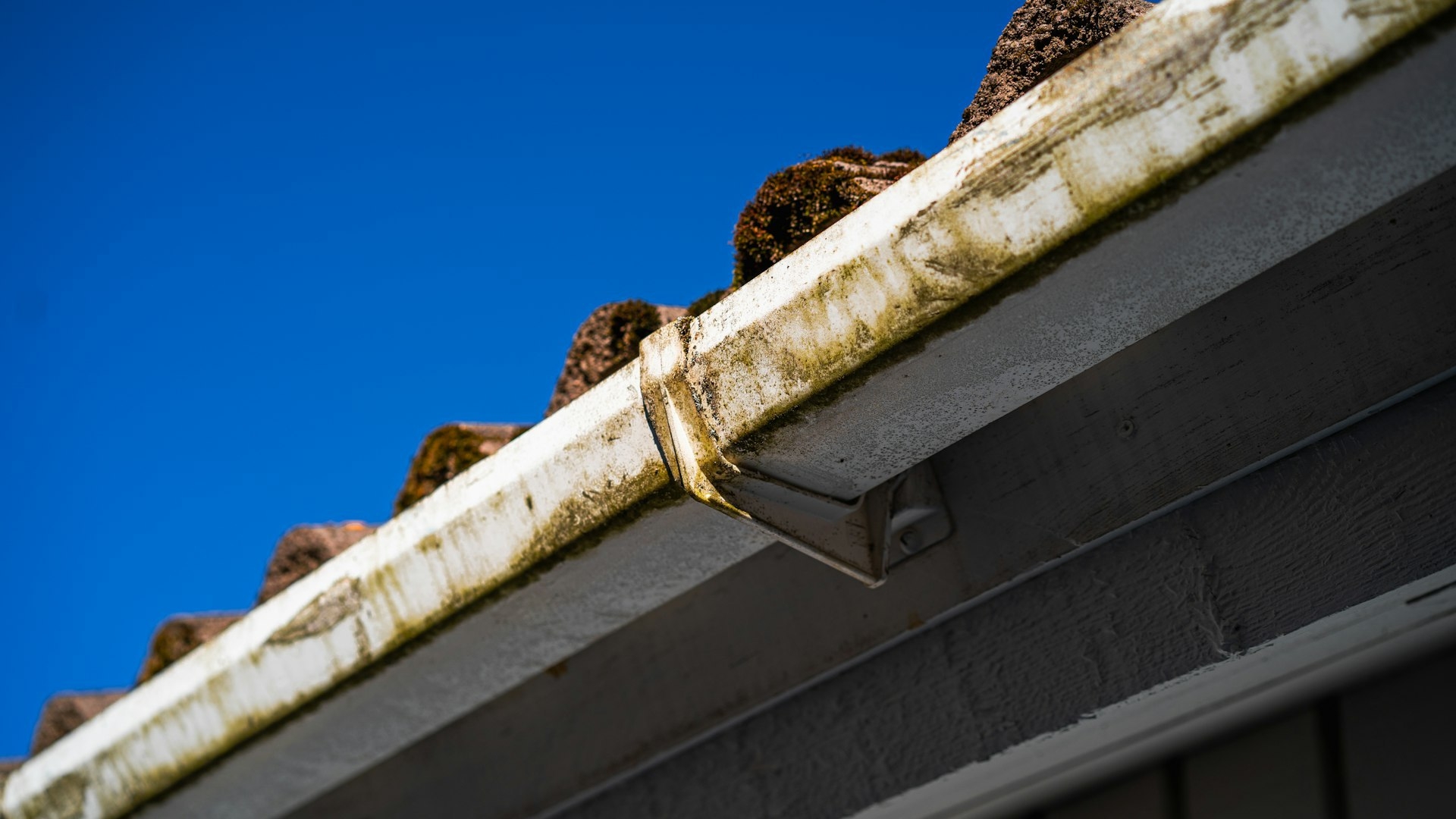
Most expensive house repairs do not start with a disaster but with something small: a blocked gutter, a cracked tile, a chimney nobody swept. One winter later it is a wet loft, undermined foundations or a fire risk. The good news is that most prevention takes a few hours, twice a year. Here is the calendar experienced owners follow.
Why autumn and spring
- Autumn prepares the house for rain, snow, frost and the heating season.
- Spring shows what the winter has done: cracks, leaks, slipped tiles, damp.
The best time for the autumn check is after the leaves have fallen and before the first frosts; for the spring one, after the last frosts.
Roof and gutters
Autumn:
- Clear gutters and downpipes of leaves and twigs. A blocked gutter overflows down the facade and into the foundations.
- Make sure downpipes carry water away from the foundations — at least with a shoe and a splash channel, ideally into a drain or soakaway.
- Inspect the roof from the ground with binoculars: slipped or broken tiles, lifted metal sheets, flashing around the chimney and roof windows.
- Cut back branches touching the roof.
Spring:
- Clear the gutters again — spring brings blossom, seeds and dust.
- Check the loft: water stains, wet insulation, signs of animals.
- Check snow guards and gutter fixings after the snow.
What gets expensive: a leak left for one winter soaks the timber structure and insulation and brings mould. Replacing rafters costs many times more than replacing a few tiles.
Chimney and stove
Autumn, before the first fire:
- Have the chimney swept by a professional — especially if you burn wood. Built-up soot is a leading cause of chimney fires.
- Check the draught, the rain and bird cap, and the junction with the roof.
- Check the door seals on the stove or fireplace.
If you burn wood, use dry wood — wet logs produce more soot and less heat.
Boiler and heating
Autumn:
- An annual service of the gas, pellet or solid-fuel boiler by an authorised engineer — far cheaper than an emergency repair in January.
- With a heat pump: clean the filters, check the outdoor unit and the clearance around it.
- Bleed the radiators and check the system pressure.
- Test the carbon monoxide detector — essential with a boiler or stove in living areas.
Spring:
- Switch off or move to summer mode; clean ash out of a pellet boiler.
Drainage, foundations and basement
Autumn:
- Check that drainage pits and grates are clear.
- The ground around the house should slope away — no puddles against the walls.
- Inspect the basement for damp and musty smells.
Spring:
- After snowmelt and spring rain, look for new stains on basement walls and cracks in the plinth.
If the property is in an area exposed to flooding or landslides, see also our guide to natural hazards.
What gets expensive: water running to the foundations year after year causes damp, blown plaster and, in bad cases, settlement. Treating rising damp is one of the costliest fixes in an old house.
Facade, windows and terraces
- Plaster cracks: fill the small ones; growing or diagonal cracks are a reason to call an engineer.
- Windows: clear the drainage slots, lubricate the hardware, check the seals.
- Terraces and balconies: check the waterproofing and grout; water getting under tiles freezes and lifts them.
- Timber elements: pergola, timber windows, shutters — spring is the time to renew the protective finish.
Plumbing and outdoor taps
Autumn:
- Shut off and drain outdoor taps and the irrigation system before the first frost.
- Insulate pipes in unheated spaces — garage, basement, loft.
Spring:
- Turn the water back on gradually and check for leaks.
- Check the septic tank or treatment unit, if you have one.
Garden and trees
- Autumn: rake the leaves and plant new trees and shrubs. Which plants cope with the local climate — see our article on gardens near Sofia.
- Spring: check trees for dead or dangerous branches, especially over the roof, the car and the neighbour's plot.
- Fences and gates: lubricate, tighten, repaint as needed.
The missed jobs that cost the most
- A leaking roof — damages structure, insulation and interior.
- Water at the foundations — damp, mould, damage to plaster and floors.
- An unswept chimney — fire risk.
- Frozen pipes — bursts and flooding, often discovered late.
- An unserviced boiler — a breakdown in the coldest month and a carbon monoxide risk.
In short: checklist
A well-maintained house sells more easily and for a better price — buyers and their surveyors notice the traces of neglect. If you are thinking of selling, see also how to prepare the house and garden. For advice on a specific property, call us or visit our office.
This is general information and does not replace an inspection by a professional. Verified as of October 2026.