
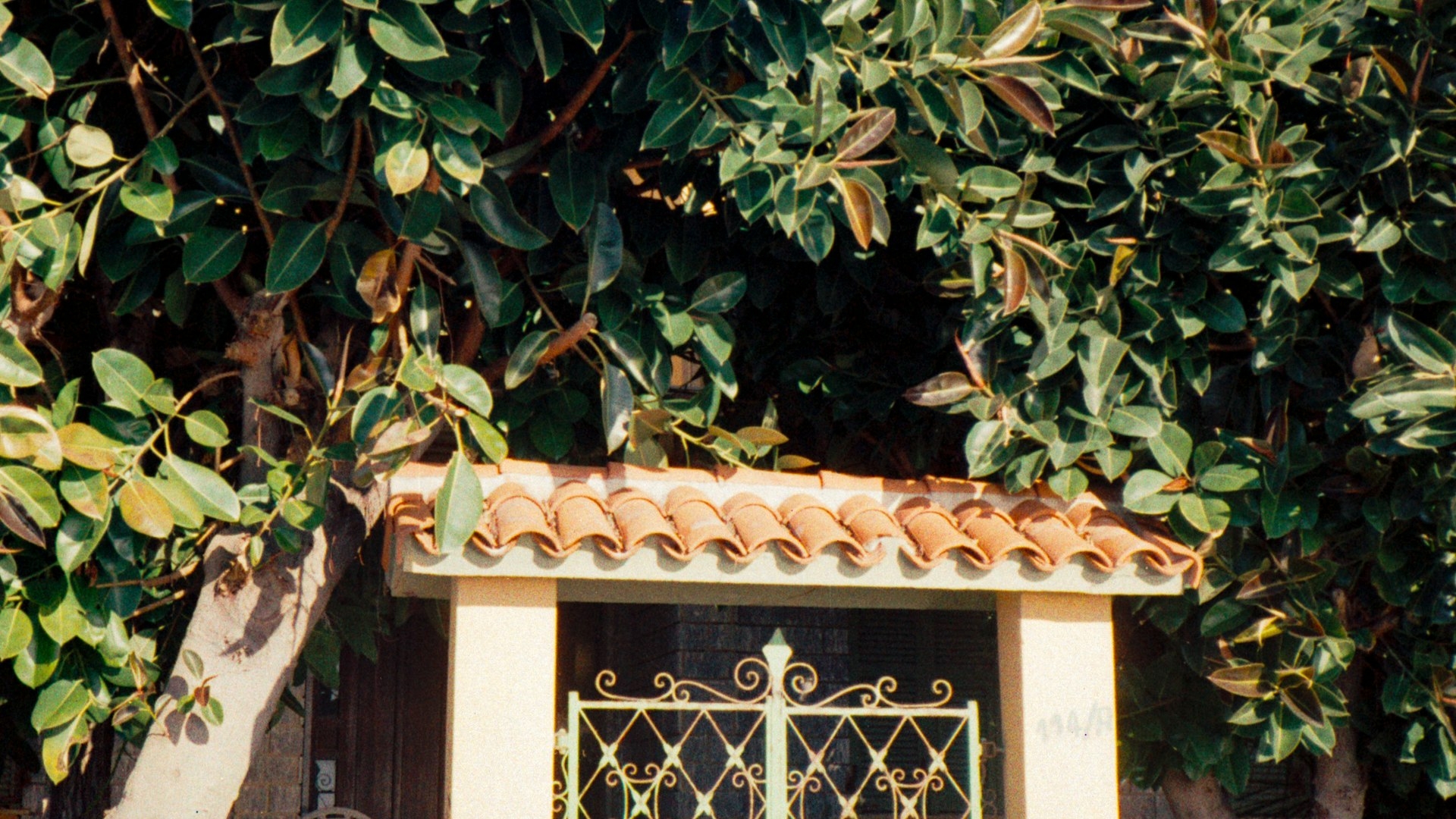
With a flat, a buyer judges the home. With a house, they judge a whole property: the fence, the garden, the roof, the outbuildings, the path to the door — and what all of it will cost them each year. That is why preparing a house for sale differs from preparing a flat. The general rules on pricing and viewings are in our guide to selling a home in autumn 2026. This guide covers what applies only to a house with a garden.
Buyers decide a lot before they walk through the gate. Stand on the pavement and look at the property as a stranger would:
The garden does not need to look like a catalogue. It needs to look looked-after, so the buyer can picture their own.
In our practice, houses with gardens photograph best in spring and early summer, when everything is green. If you are selling in autumn or winter:
Buyers of houses always ask about the roof — some fly a drone over it or climb into the loft.
If the roof genuinely needs replacing, you do not have to do it before selling. It can be better to get a contractor's quote and show it: the buyer sees a real figure instead of imagining the worst.
Buyers smell damp on the stairs. Before viewings, air the basement, clear it out and find where the water comes from: blocked gutters, ground sloping towards the house, failed waterproofing.
Do not paint over stains to hide them. Under Art. 193 of Bulgaria's Obligations and Contracts Act (ЗЗД), the seller is liable for defects that substantially reduce the value or usability of the property even if the seller did not know about them, but not for defects the buyer knew of at the time of sale. Under Art. 197, the buyer's claims for real estate become time-barred one year after handover — or three years if the seller knowingly concealed the defect. The practical conclusion: disclose the damp and record it in writing (for example in the preliminary contract). The buyer then accepts it in the price, and you avoid a dispute after completion.
With a house, running costs are among the first questions. Prepare the answers:
Real numbers from your invoices persuade more than "it's not expensive to heat".
Every building in the garden — garage, summer kitchen, a second dwelling, a carport — raises the question is it legal. A notarial title deed alone does not prove a building was lawfully built; we covered this in our article on the homes sealed in Varna.
Before listing, gather what you have: building permits, approved plans, certificates of tolerance (удостоверение за търпимост) if any, and check that the buildings appear on the cadastral map. If a building has no papers, say so from the start — it affects the price and mortgage lending, and a surprise at the notary derails deals. The documents for the sale itself are listed in our guide to the seller's documents.
| Worth doing | Usually not worth it |
|---|---|
| Mowing, trimming, hauling away rubbish | A new roof if the old one does not leak |
| An oiled, painted gate and a working bell | Full external insulation of the facade |
| Cleaned and secured gutters | A pool, a pergola or new landscaping |
| Replacing broken tiles, fixing a leak | A new kitchen or bathroom to your taste |
| Outdoor lighting and the path to the door | A new fence around the whole plot |
| An aired, empty basement | Expensive paving and roll-out lawn |
In our practice, house buyers almost always plan to renovate to their own taste. A large outlay just before selling rarely comes back in full in the price. Fix what looks like neglect and leave the big decisions to the new owner.
This article is general information, not legal advice for a specific case.
If you are getting a house ready for sale and would like a second opinion on what to fix and what to leave, call us or visit our office. We are happy to come and see the property.
