A building survey before buying a house in Bulgaria: roof, damp, structure and services
With a flat, the roof, facade and foundations are shared, and so is the cost of repairing them. With a house, all of that is yours alone. That is why, with houses, we almost always advise clients to pay for one professional survey before they pay a deposit.
What to look at yourself on a viewing is in our viewing checklist, and the legal questions around houses outside the city are in our guide to village houses near Sofia. This guide is about the next step: the specialist's inspection.
Who can carry out the survey
Bulgaria has no separate profession of "house surveyor". The right people are:
- A structural engineer with full design rights — a member of the Chamber of Engineers in Investment Design (KIIP), with a certificate and a personal seal. This is the key person for the roof, load-bearing walls, floor slabs and foundations.
- An electrical engineer or qualified electrician — for the distribution board, protection devices and earthing.
- A plumbing specialist — for the water supply, drainage and the cesspit or treatment unit.
- An energy auditor — if you plan to insulate or replace the heating.
The law also knows a formal building survey. It is carried out by a consultant or a team of designers with full design rights that must include an engineer qualified for technical control of the structural part (Art. 176c of the Spatial Development Act, ZUT). Ordinance No. 5 of 2006 expressly allows such a survey at any time at the owners' request (Art. 20(2)), and it includes an assessment of seismic safety (Art. 21(5)). A full survey is a bigger undertaking, but it is worth it for an old house, one with extensions or one with visible structural problems.
Ask the engineer for their certificate number and a written quote that sets out the scope.
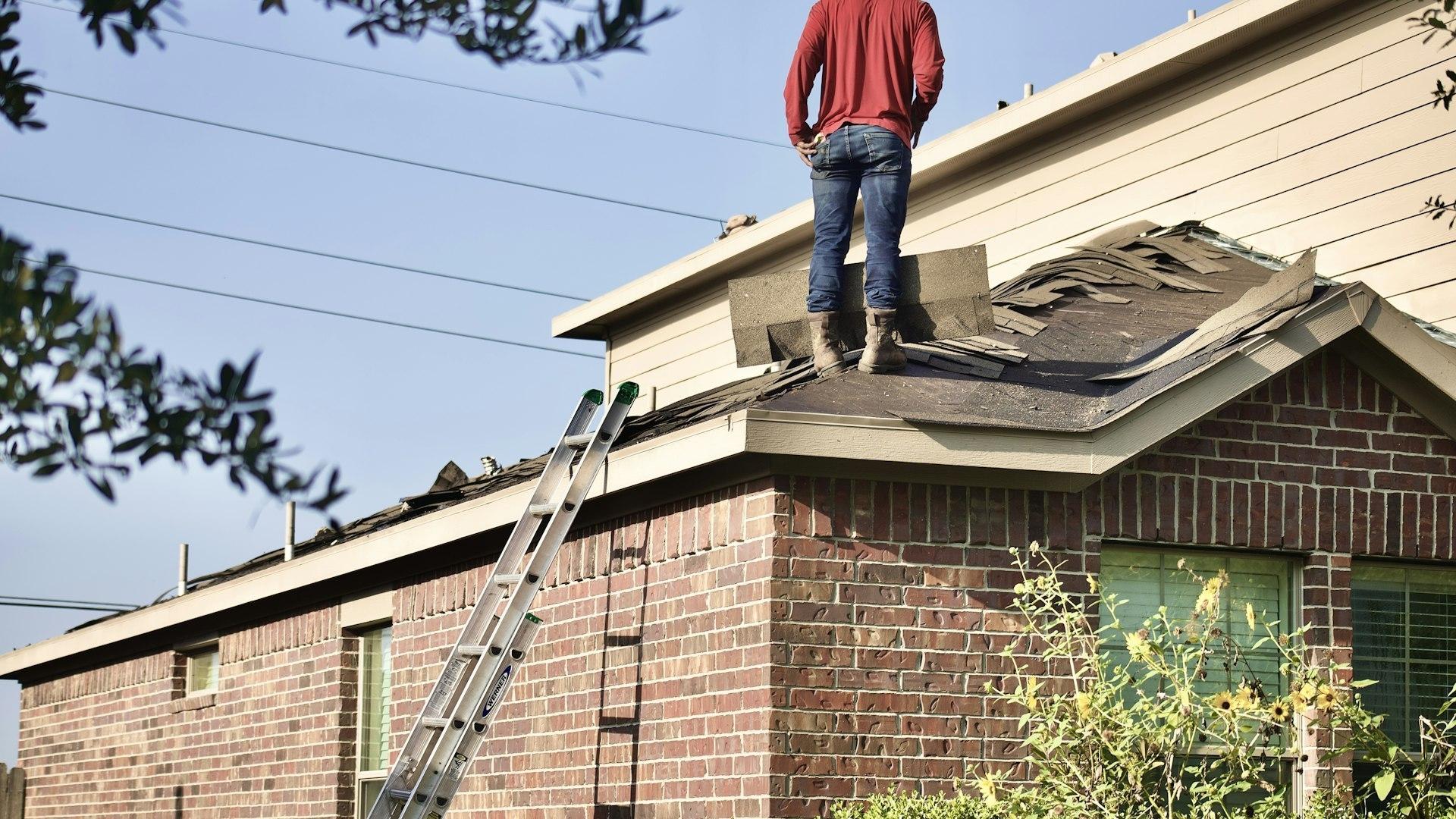
Roof and loft
The roof is the most common hidden cost with houses. The specialist checks:
- the timber structure — rot, signs of woodworm, sagging rafters, props added by eye;
- the covering — broken or slipped tiles, flashings around chimneys and roof windows, gutters and downpipes;
- the loft space — leak stains, mould, insulation, ventilation;
- the chimneys — cracks and condition above the roofline.
Try to see the loft after rain as well. Damp patches on the boards after a downpour tell you more than any explanation.
Damp and foundations
In houses, damp comes from three directions, and each is treated differently:
- from below — rising damp in basement and ground-floor walls where the damp-proofing is missing or has failed;
- from outside — water running towards the building because of the ground levels, no paved strip around the house, or blocked gutters;
- from inside — condensation from poor ventilation and cold spots (thermal bridges).
The engineer takes moisture readings, looks at how the ground is shaped around the house and whether there is drainage. If the property is on a slope or near a river, see also our guide to floods, landslides and earthquakes.
The structure
The question here is simple: does the house safely carry what it carries? The engineer looks at:
- cracks — direction, width, whether they are around openings or at corners; diagonal cracks often point to settlement;
- slabs and beams — sagging, exposed rusting reinforcement;
- added floors and extensions — were they built to a design, or is an old structure carrying a storey it was never meant for?
- old and new parts — how the extension is tied into the original building.
If the engineer says they need to open up a floor, run a test or do a calculation, take it seriously — that is the difference between an opinion and a conclusion.
Services
- Electrics — age of the wiring, aluminium or copper, a board with circuit breakers and residual-current protection, earthing. In an old house a full rewire is a normal scenario.
- Water and drainage — pipe material, pressure, whether sewage goes to the mains or to a cesspit, and the cesspit's condition.
- Heating — boiler, chimney, radiators; when the boiler was last serviced.
- Windows and insulation — whether a "refresh for sale" is hiding old problems.
How to organise the process
- First viewing — you decide the house interests you.
- Survey — before the deposit, or with an express clause in the preliminary contract making the deal conditional on the result. How to draft such a contract is covered in our guide to deposits and preliminary contracts.
- Documents for the engineer — building papers, sketches, designs if any, and the technical passport if the house is more recent.
- Written report — with photos, defects ranked by urgency and an indicative repair estimate.
- Decision — buy, renegotiate the price, or walk away.
The seller has to give access. If a seller refuses an inspection by a specialist, that is information too.
Why the report also matters legally
The seller is liable for defects that substantially reduce the value or usability of the property, but not for defects the buyer knew about at the time of sale (Art. 193 of the Obligations and Contracts Act, ZZD). So the defects in the report need to be priced in during the negotiation — after completion they count as "known".
For hidden defects that appear later, the buyer must notify the seller immediately (Art. 194 ZZD). Claims for real estate expire one year after handover, or three years if the seller deliberately concealed the defect (Art. 197 ZZD). A good report before the purchase is also evidence of what was visible on the day of the deal.
In short
- With a house, the roof, foundations and services are entirely yours — check them before the deposit.
- The key specialist is a structural engineer with full design rights (KIIP); for an old or altered house, a full survey under Art. 176c ZUT.
- Ask for a written report with photos and priorities, not a verbal opinion.
- Known defects are negotiated into the price: the seller is not liable for them (Art. 193 ZZD).
- For hidden defects, notify at once; the limit is 1 year (3 if deliberately concealed).
If you like a house and want to see it with an engineer before committing, call us or visit our office. We will arrange the inspection, help you read the report and turn it into arguments for the negotiation.
Checked as of November 2026. This is general information and does not replace specific technical or legal advice.

