Your new-build flat is smaller than the contract says: what area deviations are permitted and how to get compensation
You bought a flat off-plan, and at handover the architect or surveyor measures fewer square metres than the contract states. If you paid a price per square metre, the difference is money. Whether you can get it back depends on three things: which area you are comparing, what the contract says and what stage the deal is at.
First: are you comparing the same area?
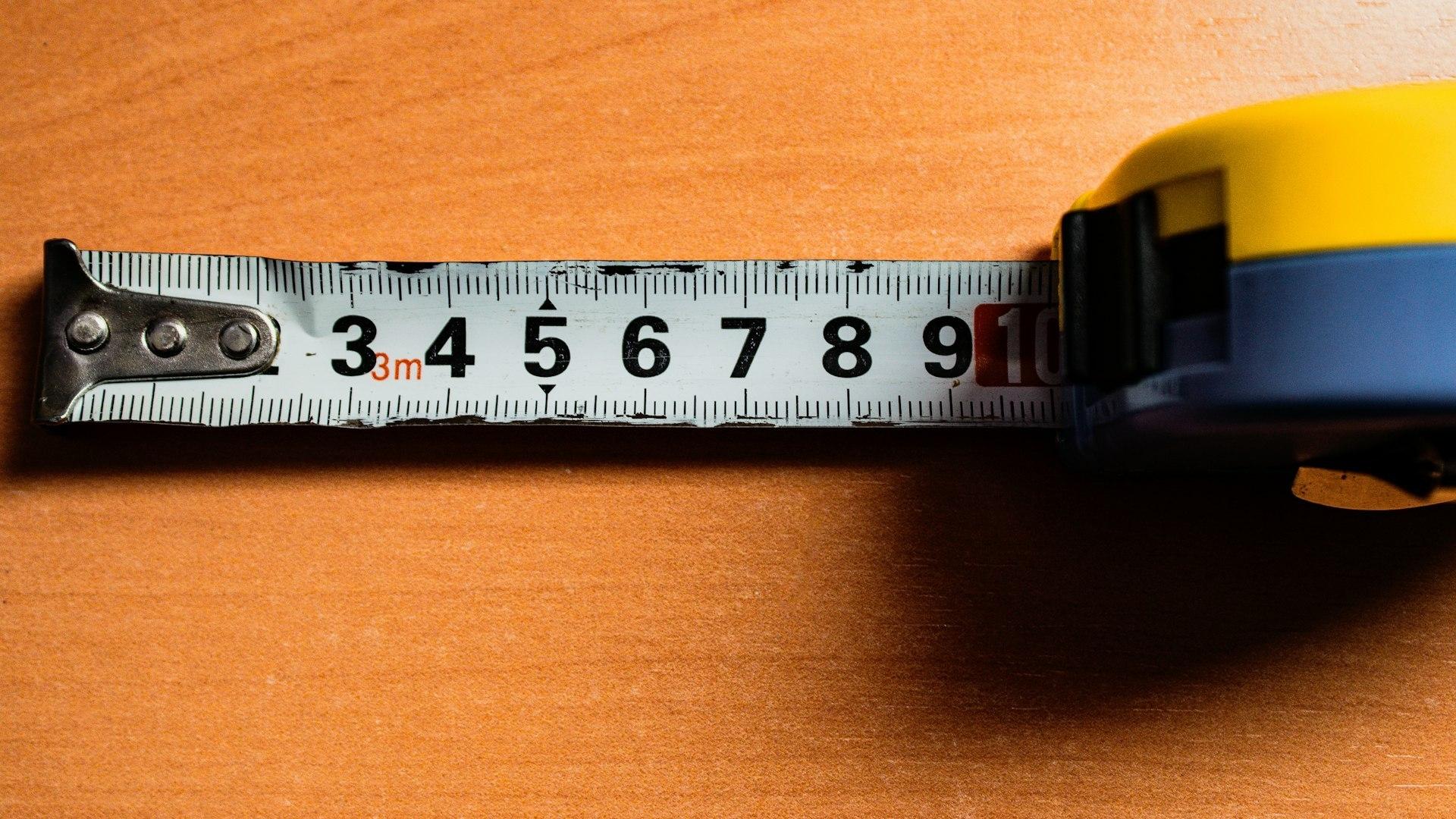
Before you object, make sure you are comparing like with like. New-build contracts usually state the built-up area of the flat and, separately, its undivided share of the common parts of the building. The total is the area the price is often calculated on. A tape measure gives you the net area of the rooms. That is always smaller, because it excludes the walls and the common parts.
So don't compare your tape measure with the contract. Ask the developer for the as-built drawings or the current plan of the unit, compare the built-up area with the contracted one, and then compare the undivided shares.
Why the finished flat comes out smaller
The law allows deviations from the approved design during construction, but only non-substantial ones (Art. 154(1) of the Spatial Development Act, SDA). Substantial deviations are listed exhaustively in para. 2. They include deviations that change the use of units or remove or substantially alter common parts of the building (item 6). Such changes are allowed only at the developer's request, with the notarised consent of the interested parties and an order supplementing the building permit (Art. 154(5) SDA).
Non-substantial deviations are recorded in the as-built documentation prepared after the building is actually completed (Art. 175 SDA). It contains a full set of drawings of what was actually built and becomes an integral part of the building documents. This is where you will see whether your flat has "shrunk", and by how much.
A practical tip: if the developer asks you for notarised consent to design changes, read carefully what you are signing. A change to the common parts can also reduce your undivided share.
Is there a statutory "permitted tolerance" for area?
There is no general statutory rule saying that a deviation up to a certain percentage is acceptable. The contract decides. In practice, contracts often contain a tolerance clause, expressed as a percentage or in square metres. How it is worded matters:
- a two-way clause: if the area is larger you pay extra, if it is smaller the price goes down; within the tolerance nobody owes anything;
- a one-way clause: the developer can ask for more money if the area is larger, but owes nothing if it is smaller.
If you are buying as an individual for personal use, you are a consumer, and the rules on unfair terms apply. A term is unfair if it allows the trader to change the characteristics of the goods unilaterally without a valid reason (Art. 143(2)(12) of the Consumer Protection Act, CPA). So is a term excluding or limiting the consumer's statutory rights in case of improper performance (item 2). Such terms are void unless individually negotiated, and if the developer claims a term was individually negotiated, the burden of proof is on the developer (Art. 146 CPA). Whether a specific clause is unfair is ultimately for the court to decide.
If you still only have a preliminary contract
This is the best time to act, because you have not paid in full yet.
- Ask for documents and a measurement: the as-built drawings and the plan of the unit, before you book the notary.
- Object in writing: send the developer a letter with the measured difference and a request to adjust the price at the agreed price per square metre.
- Sign an annex: if you reach agreement, put the new price in writing before the final contract.
- Don't pay the final instalment without an agreement. The law allows a party to a bilateral contract to withhold performance until the other party performs its own obligation (Art. 90 of the Obligations and Contracts Act, OCA). Whether this applies in your case depends on the contract, so take advice before withholding a payment.
- If the difference is large and the flat no longer suits you, the preliminary contract may be terminated under Art. 87 OCA after a written notice giving a reasonable deadline. We explain how in detail in The developer is late with Act 16: penalties, terminating the contract and what you can do.
If you want the flat but the developer refuses to sign the final contract at an adjusted price, there is the claim to have the preliminary contract declared final (Art. 19(3) OCA). That is a court route and needs careful assessment.
If you are already the owner
After the notarial deed, the buyer's rights follow the rules on the seller's liability for defects. The seller is liable for defects that substantially reduce the price or the fitness of the property, even if the seller did not know about them (Art. 193 OCA). The buyer may:
- keep the flat and claim a price reduction;
- return the property and claim the price back, together with the costs of the sale;
- also claim damages (Art. 195 OCA).
Having taken over the property, the buyer must inspect it within the usual time and notify the seller without delay of any defects found (Art. 194 OCA). So don't sign a handover record "without remarks" if the area has not been checked yet.
The deadline is short: claims are time-barred one year after the property is handed over, or three years if the seller knowingly concealed the defect (Art. 197 OCA). Whether a smaller area counts as a "defect" or as partial non-performance, and whether the difference is substantial, is for the court to decide in the specific case.
How the compensation is calculated
The most common reasonable approach is proportional: the missing square metres at the agreed price per square metre. For example, at an agreed price of €1,800 per m² and 3 m² missing, the claim is €5,400. These figures are only an illustration. If the shortfall is in the undivided share of the common parts, the calculation works the same way, but you first need to know how the contract values that share.
If you bought a shell-and-core flat, bear in mind that a smaller area does not necessarily reduce your finishing costs. We explain how to budget for them in Buying a shell apartment: what the second budget costs.
How to protect yourself when you sign
- In the preliminary contract, state the built-up area and the undivided shares separately, and say which design they come from.
- Agree a price per square metre and an express two-way price adjustment for any deviation above a set threshold.
- Link the final contract to the as-built survey, not just to the design.
- Which documents and stages to follow in a new build is covered in Buying new-build property: what Act 14, Article 181, Act 15 and Act 16 actually mean.
In short
- Compare built-up area with built-up area, not the tape measure with the contract.
- The law sets no "permitted" percentage: the contract decides, and one-way clauses favouring the developer may turn out to be void where the buyer is a consumer.
- Before the notary: a written objection and an annex with a new price.
- After the notary: a price reduction or return of the property under Arts. 193–195 OCA. Notify the seller without delay and bring any claim within one year.
Is your new home about to be handed over, or would you like us to check the contract before you sign? Call us or visit our office. We will go through the areas, the clauses and the documents with you.
This information is general and indicative and does not replace professional advice.