
At a viewing most people look at the layout, the light and the neighbourhood. Heating comes later — yet it decides what you pay every winter, how warm you are and how easily the property sells years from now. There is no single best system: the right choice depends on the building, its insulation, the networks available and how you live.
Every system runs more cheaply in a well-insulated building. Before comparing boilers and heat pumps, look at the energy class (if there is a certificate), the condition of the windows, and whether the facade and roof are insulated. An energy performance certificate is valid for up to 10 years and appears in listings more and more often — see our piece on energy class in property listings. A high electricity bill can point to a poor building envelope rather than a poor system.
Best for: flats in cities with a district heating network — mainly apartment blocks in Sofia and a few other large cities.
If you disconnect the radiators in a flat, you normally keep paying for heat given off by the building installation and common areas. "Switching off district heating" rarely means a zero bill.
Best for: flats and small houses in milder areas, especially as a supplement.
Modern inverter units deliver several times more heat than the electricity they use. The downsides: they warm the air rather than the walls, efficiency drops in hard frost, and each room needs its own indoor unit or a ducted system. In a block, outdoor units must be placed so they do not alter the building's architectural appearance or bother neighbours with noise, condensation or vibration.
Best for: houses and flats in areas with a gas distribution network.
A condensing gas boiler runs radiators or underfloor heating and hot water comfortably. Installing a building gas installation in a residential or holiday building needs no building permit (Spatial Development Act, Art. 151(1)(10)), but it is carried out to a design by qualified installers. Check the connection, the installation documents and when the boiler was last serviced.
Note the direction of EU rules: from 1 January 2025, member states may no longer subsidise stand-alone fossil-fuel boilers (Directive (EU) 2024/1275). Gas is not banned, but subsidies and regulation increasingly favour low-carbon options.
Best for: well-insulated houses and new builds, ideally with underfloor heating or low-temperature radiators.
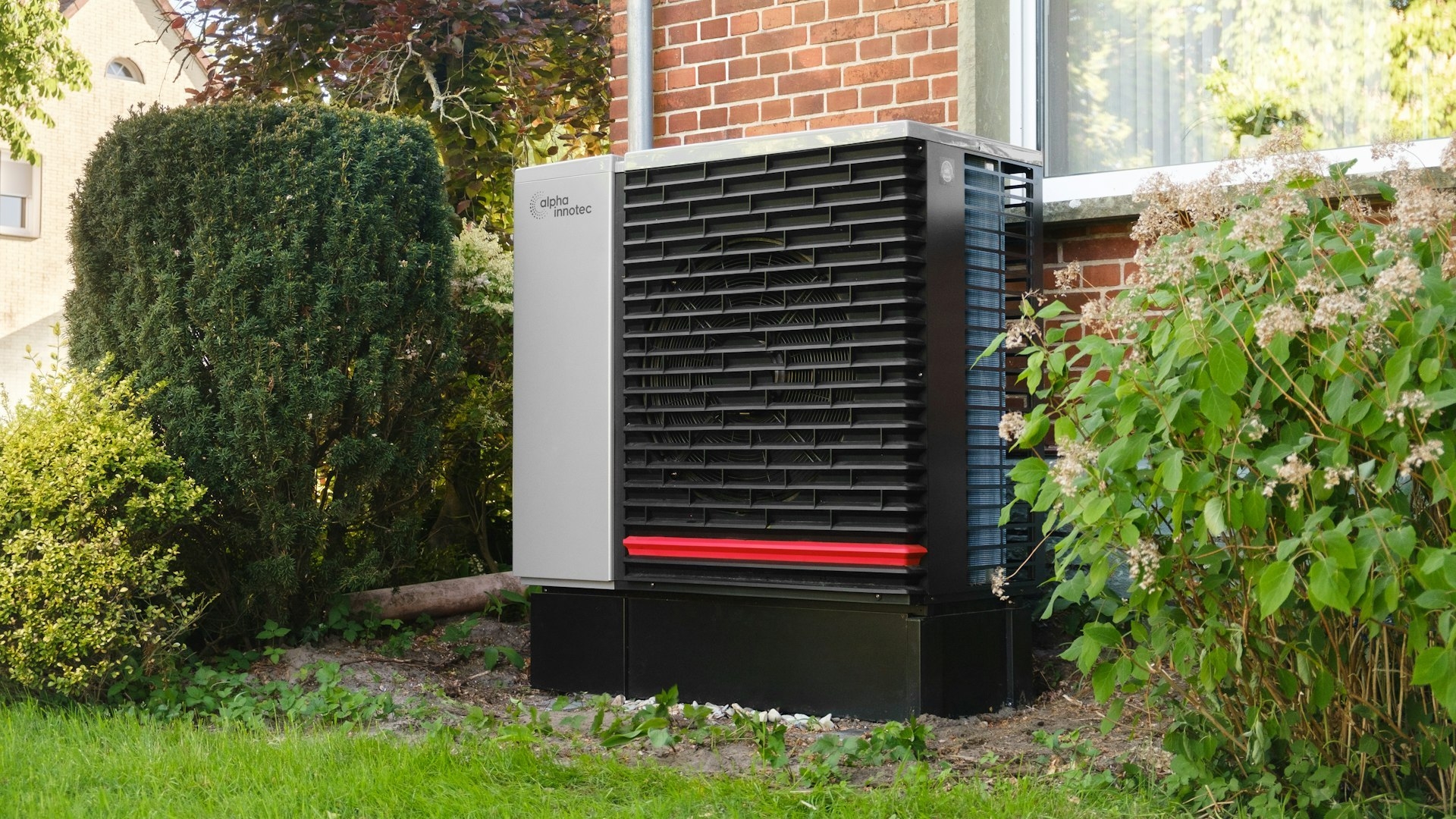
A heat pump draws heat from outside air and feeds it into a water-based system. In a well-insulated house it is among the cheapest options to run, and combined with rooftop solar bills drop further. The downsides: a higher upfront cost, the need for correct sizing, and space for the outdoor unit.
For existing single-family and holiday homes, the Spatial Development Act exempts from a building permit installations producing heat and cooling from renewable sources up to 20 kW for own use (Art. 151(1)(19)); the owner notifies the municipal chief architect at least 14 days before installation (Art. 151(11)). Confirm with your designer and the municipality whether your particular installation qualifies.
Best for: houses off the gas grid, holiday homes, villages.
A pellet boiler with automatic feed is convenient and predictable; a wood stove or fireplace is cheap to buy but needs labour, storage and regular chimney cleaning. Some municipalities, including parts of Sofia, have or are introducing restrictions on solid-fuel heating to improve air quality — check local rules before buying a house whose only heating is wood.
Convector heaters, oil-filled radiators, storage heaters, electric underfloor heating in a bathroom. Cheap to install, but the highest running costs if used as the main source. Best as a supplement or for rarely used rooms.
Heating is part of the price: two similar properties with different systems and running costs are not worth the same. For everyday measures that cut the bills, see our guide to saving energy without a major renovation.
An oversized boiler or heat pump runs inefficiently and wears out faster.
If you are viewing properties and want a realistic picture of heating costs, browse our properties for sale, call us or visit our office — we will help you ask the right questions at the very first viewing.
This is general information and does not replace advice from an engineer or energy auditor. Verified as of October 2026.
