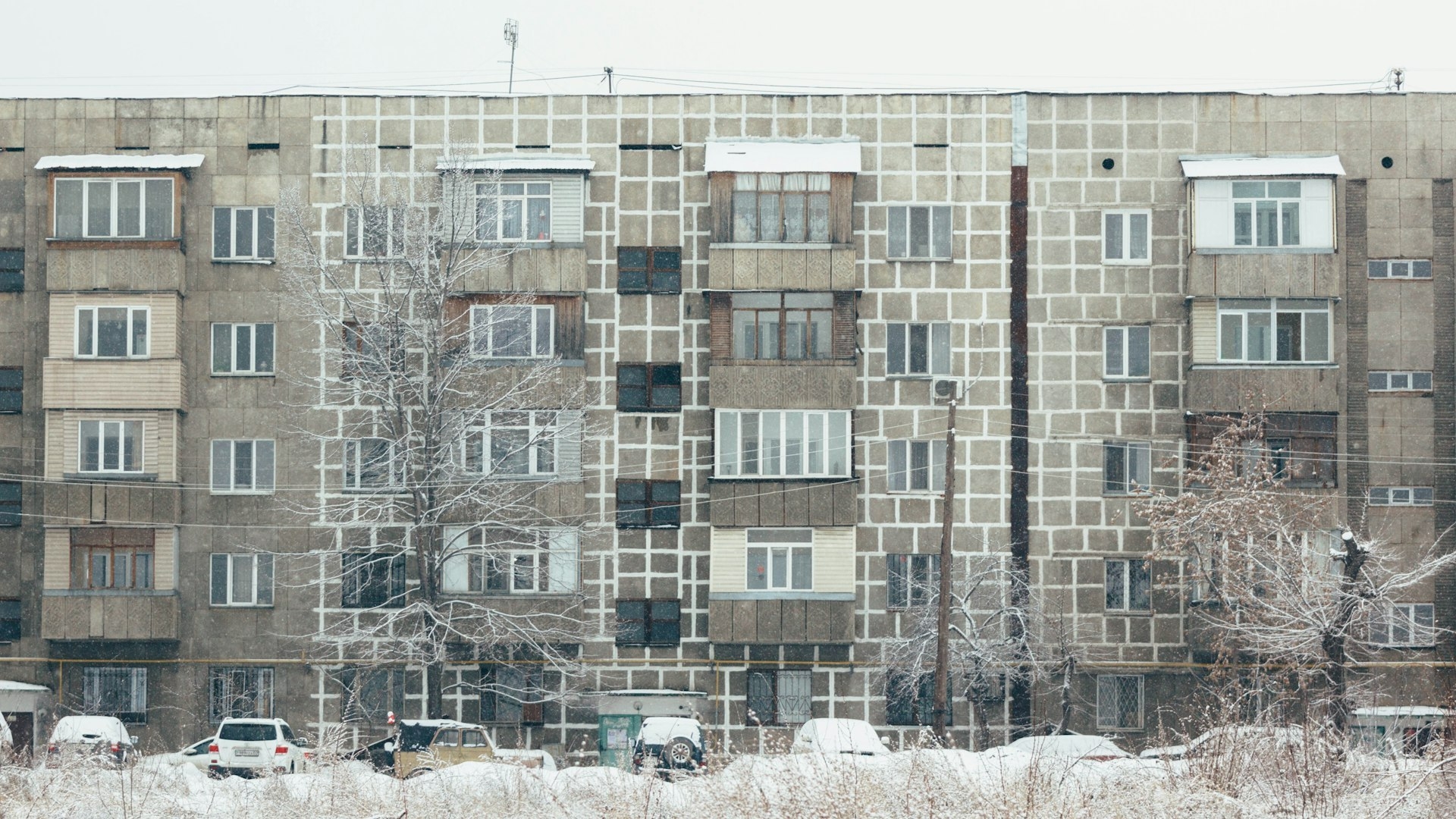
Glazed balconies are one of the most recognisable features of Bulgarian apartment blocks — and one of the most common causes of neighbour disputes. Glazing gives you extra sheltered space and lower heat losses. The legal framework, however, is more nuanced than it looks. Here is what you need to know before you order, and what to check if you are buying.
Building permit: not needed — within limits
Art. 151(1)(6) of the Spatial Development Act (ZUT) expressly lists glazing of balconies and loggias among the works that need no building permit. Some years ago glazing required a simplified permit; now the law exempts it entirely.
That exemption covers only the glazing itself — fitting frames and glass within the outline of the existing balcony or loggia. It does not cover:
- Extending the balcony or building a cantilever beyond the existing outline.
- Removing the wall or parapet between the balcony and the room to "merge" the balcony in. If the structure is affected, this is no longer routine repair under § 5(43) of the ZUT Supplementary Provisions and requires an engineer's opinion and, as a rule, a design and a permit.
- Heavy masonry parapets or cladding that load the cantilever beyond what it was designed for.
- Enclosing common parts — a shared corridor, a stair landing or a roof terrace.
Our guide to renovating a flat in a block explains where the line between permit-free repair and permitted works runs.
Listed buildings and protection zones
For listed cultural heritage buildings and buildings in their protection zones, Art. 151 works — glazing included — may only be carried out after clearance under the Cultural Heritage Act (Art. 151(2) ZUT). In central Sofia, Plovdiv and other historic towns this affects a fair number of buildings. Check the building's status before you order.
The neighbours' consent and the building's appearance
ZUT does not require your neighbours' signatures to glaze your own balcony. But Art. 6(1)(5) of the Condominium Management Act (ZUES) obliges every owner carrying out repairs not to alter the building's architectural appearance, load-bearing capacity or stability. Glazing changes the facade, so in practice:
- The colour and profile of the frames should match the other glazed balconies or the original design.
- The division — the pattern of verticals and horizontals — should ideally follow the neighbouring balconies.
- Solid or mirrored panels instead of glass stand out and are the most common source of complaints.
The safest route is a general assembly decision on a uniform style of glazing — colour, profile, division. It gives everyone clear rules and reduces the risk of disputes. How decisions are taken and with what majorities is covered in our article on the general assembly of an apartment block. In new buildings the developer sometimes includes the glazing in the design — in that case it is best to follow it.
The risk of removal
When can glazing be removed by force?
- If it was done within Art. 151(1)(6) — inside the balcony outline, without affecting the structure, and with clearance for a listed building — it is not unlawful construction.
- If it goes beyond those limits — an extension, a new cantilever, merging with the room in a way that affects the structure, enclosing common parts — it may turn out to be unlawful construction. For buildings of the fourth to sixth category, the demolition order is issued by the mayor (Art. 225a ZUT).
- If it alters the architectural appearance or affects the neighbours (shading, drainage, access), other owners may seek protection, including through the courts. Such a dispute is slow and costly for both sides.
Practical tips before you order
- Ask the building manager whether there is a general assembly decision on glazing.
- Check whether the building is listed or in a protection zone.
- Order glazing within the outline of the balcony, in the same colour and division as the neighbours.
- Do not remove walls or parapets without a structural engineer's opinion.
- Plan for ventilation — a glazed balcony without airflow collects condensation.
- Keep the contract, invoice and photos — they help when you sell.
If you also plan to grow plants on the balcony, see our article on balcony gardens, where we compare open and glazed balconies.
If you are buying a flat with a glazed balcony
- The area does not change — a glazed balcony is still a balcony in the documents; you are not paying "living-area" square metres for it.
- If the balcony has been merged with a room, ask for the documents: design, structural engineer's opinion, permit. Without them you inherit the risk.
- Look at the cantilever and parapet from below for cracks and rusting reinforcement.
- Ask about disputes within the condominium and any decisions on the facade.
In short
- Glazing a balcony or loggia needs no building permit (Art. 151(1)(6) ZUT).
- It must stay within the balcony outline and not affect the structure.
- For a listed building — clearance under the Cultural Heritage Act.
- The architectural appearance must be preserved (Art. 6(1)(5) ZUES); a general assembly decision is the best safeguard.
- Merging the balcony with a room or extending it is a separate matter — with a design and a permit.
If you are buying or selling a flat with a glazed or merged balcony and want to be sure of the paperwork, call us or visit our office — we will go through the case with you.
This is general information, not legal advice on a specific case. Verified as of October 2026.