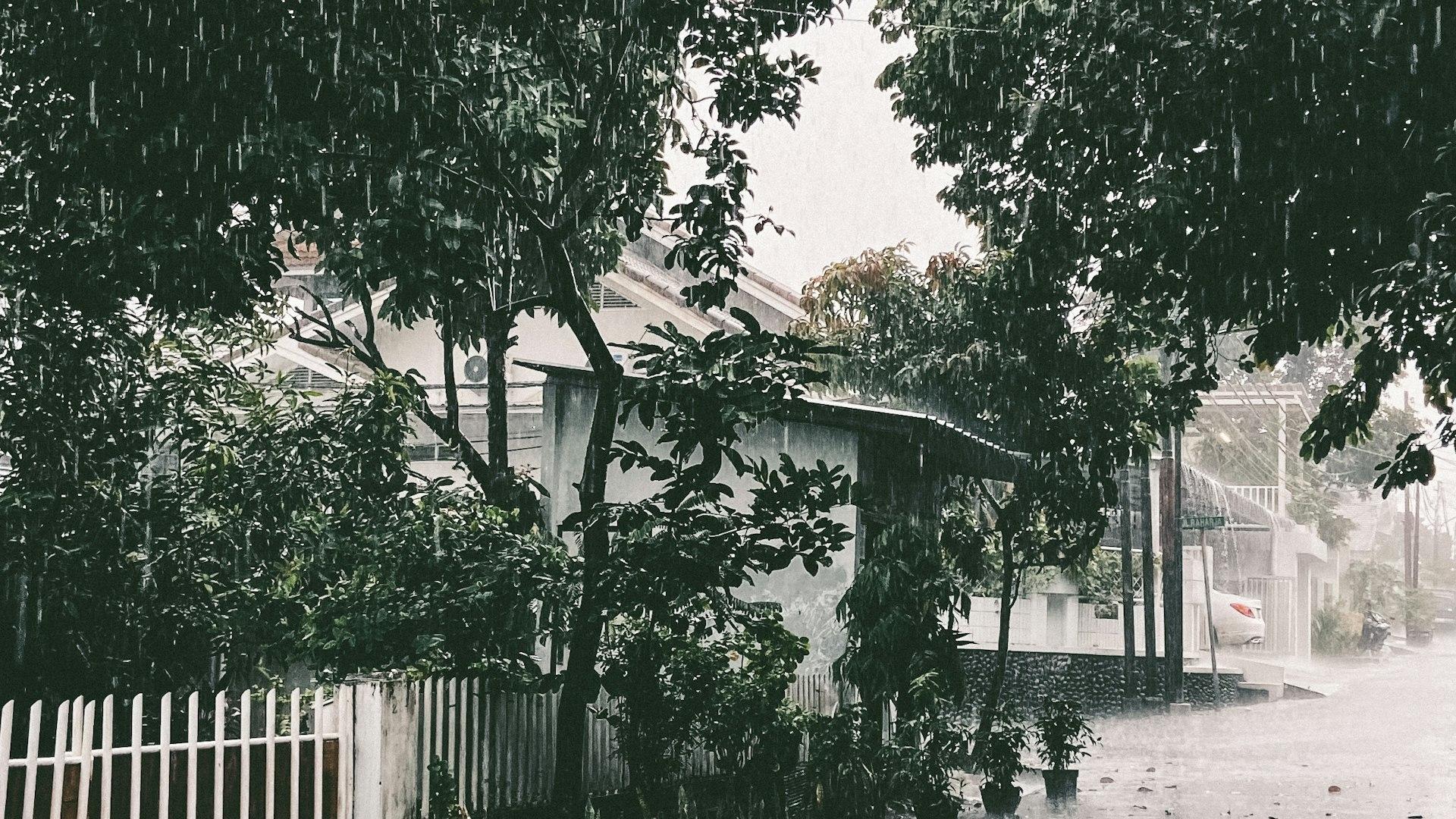
Flood in Shabla: 16 people evacuated as yards and houses in the low-lying part of town go under water; Varna issued a BG-Alert the day before
Today, 3 November, 16 people were evacuated in Shabla after heavy rain made the gully that runs through the town overflow, sending water into yards and houses in the low-lying parts of Shabla, the Bulgarian News Agency (BTA) reported. The day before, on 2 November, Varna's mayor Blagomir Kotsev activated the BG-Alert system with a warning of flood danger and strong wind.
What happened in Shabla
According to BTA, the gully overflowed after intense rainfall and the water reached yards and houses in the lower part of town. Sixteen people were moved out of the threatened properties. Officials said no one was in danger at the moment, but the water level remains high.
Darin Dimitrov, director of the Regional Directorate for Fire Safety and Civil Protection in Dobrich, said the gully had largely been cleaned, but vegetation and debris washed off the fields can build up at the bridges and block the flow. Cleaning with machinery is to continue, warnings and evacuations from at-risk spots will follow if needed, and fire and police crews will patrol jointly overnight.
The municipality urged residents to stay away from low-lying areas and flooded roads. Early in the morning, the road between Shabla and Durankulak was partly closed because of a flooded section.
BG-Alert in Varna
On 2 November Varna's mayor sent a BG-Alert message covering the municipality. It was active from 12:46 to 14:46, in Bulgarian and English, and asked people to avoid underpasses and the low-lying parts of the city, BTA reported.
What it means for property owners
Both cases are a reminder of something you rarely notice at a viewing on a sunny day: the difference between a property on low ground and one a few metres higher up can matter a great deal in heavy rain.
If you own property in an affected area:
- Photograph and record the damage before you start cleaning up – it is the basis of any claim.
- If you are insured, notify the insurer within the deadline set in your policy. Check whether flood and natural disasters are among the risks expressly covered – anything not written into the policy is not covered. We explained how a policy works in our article on home insurance.
- Basements, boiler rooms and ground floors are hit first – have an electrician check the switchboards and appliances there before you turn them back on.
If you are buying on the coast or in a low-lying area:
- Ask the seller and the neighbours directly whether the yard, the basement or the street has ever flooded – and when.
- Check the flood hazard and risk maps of the Black Sea Basin Directorate. We walked through how to do it in our guide to checking natural hazards before you buy.
- At the viewing, look for water marks low on the walls, the fence and the basement floor, and note where the property sits relative to a gully, a canal or a river.
If you are selling: a history of flooding comes out sooner or later. It is better to disclose it yourself and show what was done afterwards – drainage, a raised threshold, repairs – than to have the buyer hear it from the neighbours after the preliminary contract is signed.
If you are a tenant: tell the landlord about the damage straight away and document it with photos – that protects both sides when the consequences are sorted out.
In brief
- 16 people were evacuated in Shabla after the gully overflowed and flooded yards and houses in the lower part of town.
- The day before, Varna's mayor activated BG-Alert over flood danger and strong wind.
- Owners should document the damage and check their policy; buyers should check the risk maps and the property's history.
If you are thinking of buying a house or holiday home in the Dobrich or Varna area and would like a second pair of eyes on the location, call us or drop by our office – we will help you ask the right questions before you sign.
Source: BTA. This information is general and is not legal or financial advice.

