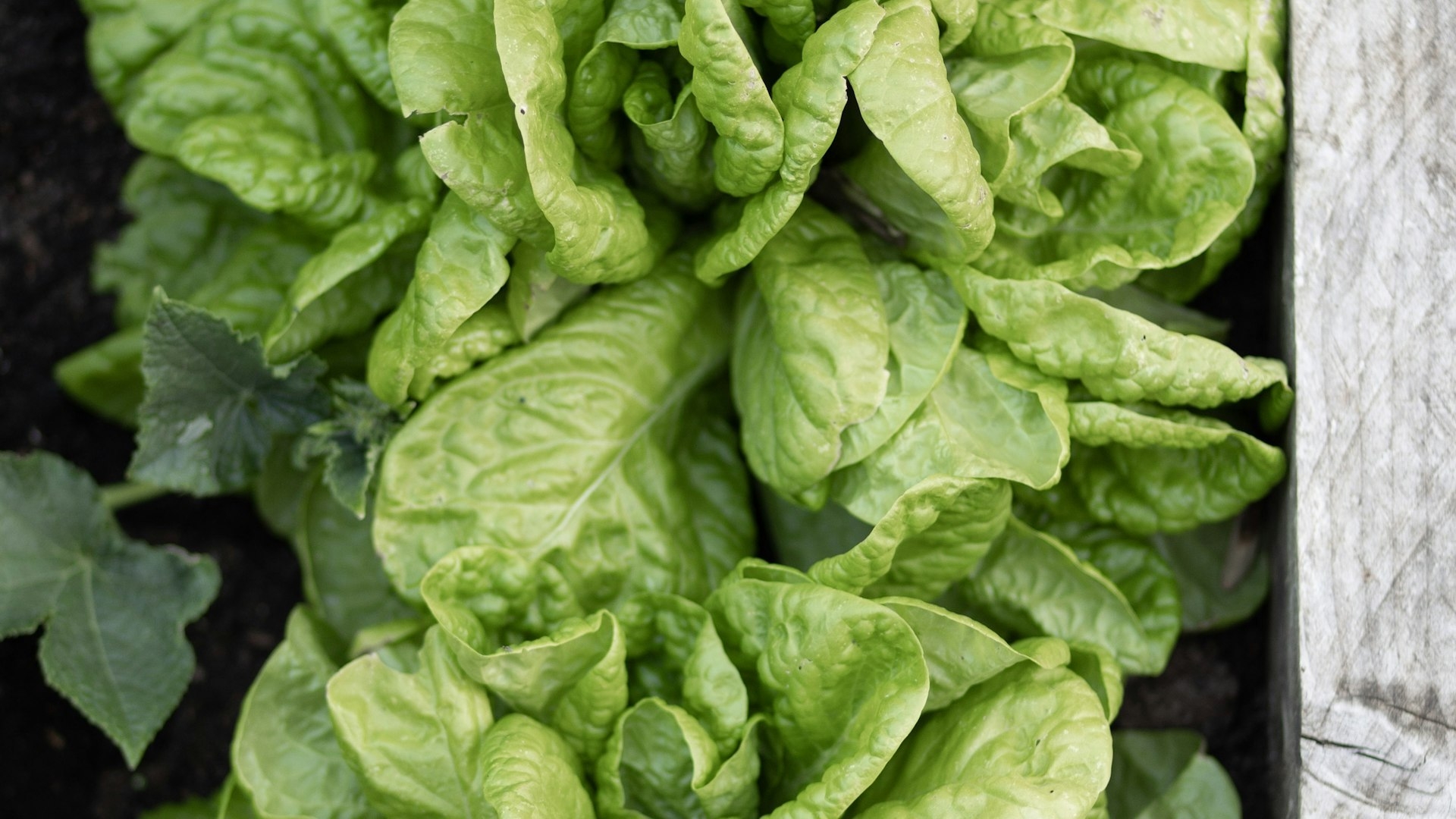
Many buyers of houses around Sofia and in smaller towns dream of growing their own tomatoes. Then comes the first summer, the weeds and the heat — and the garden ends up half-done. The good news: one or two well-placed beds produce a lot and take a reasonable amount of time. Here is how to start.
1. The spot: sun, water, proximity
- Sun. Fruiting vegetables — tomatoes, peppers, courgettes, cucumbers — want direct sun for most of the day. Leafy crops (lettuce, spinach, parsley) cope with partial shade.
- Close to the house and the tap. A garden you can reach in slippers gets looked after. One at the far end of the plot gets visited less.
- Away from large trees — their roots and shade take water and light.
- No standing water after rain. If your yard is clay and holds water, raised beds solve it.
Trees, shrubs and distances from the neighbour are covered separately in A garden for a house near Sofia.
2. Raised beds: why they are practical
A raised bed is a frame — timber, metal or brick — filled with good soil and compost.
Advantages:
- the soil warms up earlier in spring;
- it drains well even on heavy clay;
- fewer weeds, cleaner paths;
- less bending — good for your back.
Practical tips:
- Width such that you can reach the middle from both sides without stepping in the bed.
- Base — if moles are a problem, lay metal mesh.
- Timber must not be treated with products unsuitable for food plants. Metal and brick last longer.
- Fill — a mix of garden soil and mature compost; in taller beds the bottom layer can be branches and plant debris.
3. What and when: the seasons in our climate
Most lowland areas of Bulgaria have a temperate-continental climate: cold winters, warm dry summers and spring frosts. On the Sofia plain spring comes later than in Thrace or by the sea — so follow the local forecast, not the calendar.
- Early spring (as soon as the soil can be worked): peas, spinach, lettuce, radishes, onion sets, carrots. They tolerate cool weather.
- Mid-spring: beetroot, more lettuce and radishes every 2–3 weeks, planting potatoes.
- Once the risk of frost has passed: tomato, pepper and aubergine seedlings; sow courgettes, cucumbers and beans. In higher, colder areas, including around Sofia, this is usually in May — don't rush. One late frost can wipe out all your seedlings.
- Summer: a second sowing of beans and cucumbers, watering, mulching, harvesting.
- Late summer and autumn: cabbage and broccoli seedlings for an autumn crop, sowing spinach and lettuce, and in autumn, planting garlic, which overwinters in the bed.
- Winter: rest, planning, compost.
Rotation: don't plant the same family (for example tomatoes, peppers, aubergines) in the same spot every year — it reduces disease.
4. Compost: free soil
Compost turns kitchen and garden scraps into the best fertiliser.
- Where: a shaded corner, on bare soil, away from the neighbour's windows.
- What goes in: "greens" (peelings, coffee grounds, grass clippings) and "browns" (dry leaves, twigs, unprinted cardboard) — roughly half and half.
- What stays out: meat, fats, dairy, diseased plants, pet waste.
- Care: damp like a wrung-out sponge, turned now and then. Mature compost — dark, crumbly, smelling of forest — takes months.
A compost bin also cuts your rubbish — part of your waste never leaves the yard.
5. Water and mulch
Vegetables want regular, not frequent and shallow, watering. Drip irrigation on a timer and mulch are the two things that save the most time and water in summer. We cover them in detail in Water in the garden.
6. How much time it takes
As a rough guide, for one or two raised beds:
- Spring: preparation and sowing — a few Saturday afternoons.
- Season: about an hour or two a week — weeding, tying up tomatoes, harvesting. With drip irrigation, watering almost disappears from the list.
- Holidays: with a timer and mulch the garden survives a week without you; for longer, a neighbour who picks and checks.
Tip: start with 2–3 crops you actually eat. Small and tended beats large and abandoned.
7. The garden when buying and selling
- Buying a house: ask about sun in the yard, the soil, the water supply (mains, well) and whether water pools after rain. See also what to check when buying a village house near Sofia.
- Selling: a tidy garden and neat beds make the yard look alive in photos. Neglected beds do the opposite — grass them over or cover them with mulch before viewings.
In short
- A sunny spot close to the house and to water.
- Raised beds are warmer, tidier and easier on your back.
- Hardy crops early in spring; tomatoes and peppers after the frosts.
- Compost from kitchen waste, drip irrigation and mulch.
- Start with 2–3 crops and an hour or two a week.
Looking for a house with a yard for your own garden, or selling and want the garden to show well? Call us or come into the office.
This is general information. Sowing times depend on the area and the year — follow the local forecast. Verified as of October 2026.