
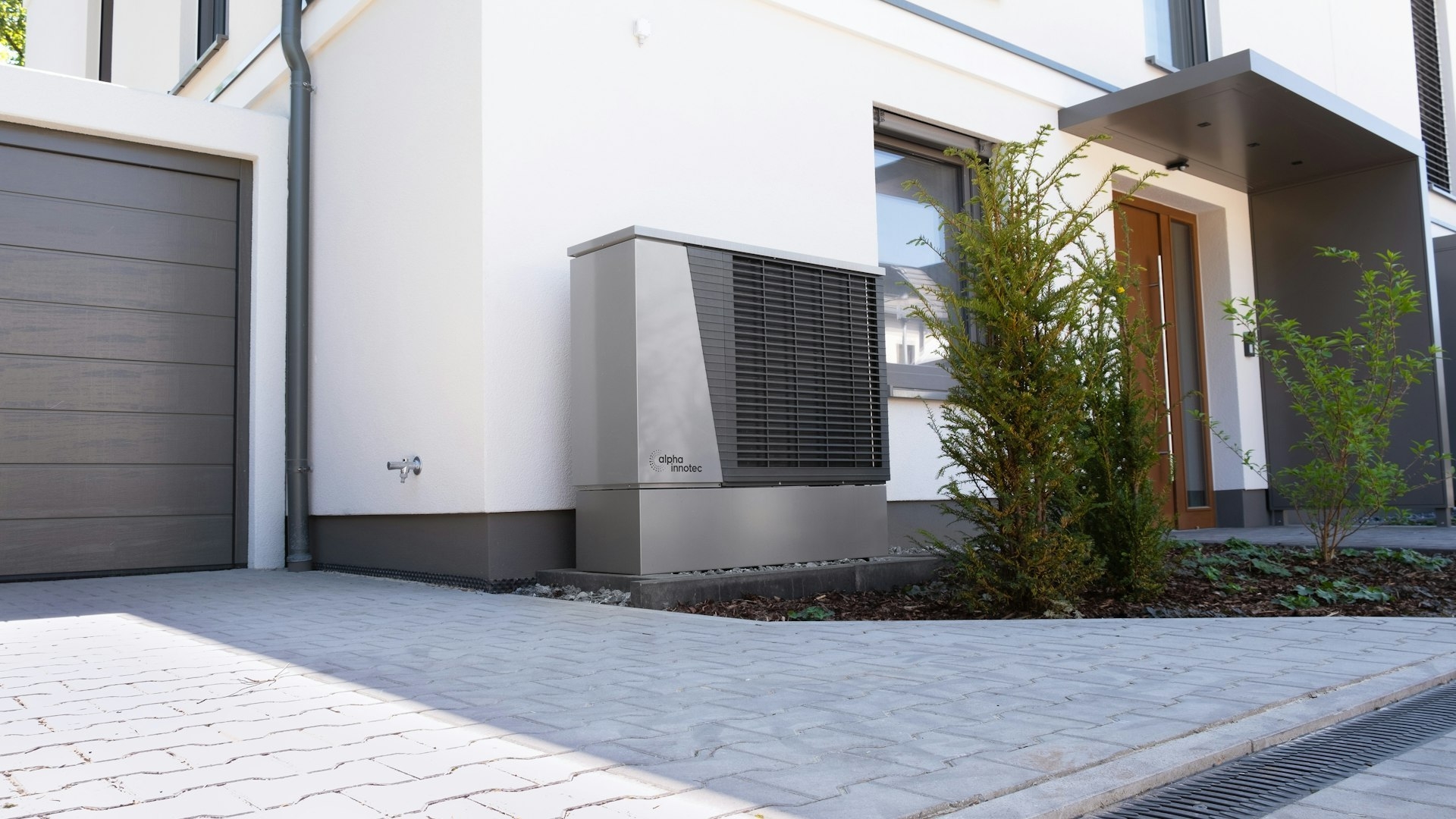
If you are building a new house or buying one just completed, you have probably met the term nZEB — a "nearly zero-energy building". It is not a marketing label but a legal requirement. Yet there is a gap between the requirement on paper and how the house actually performs in winter, and that gap is down to workmanship. Here is what you need to know.
Bulgaria's Energy Efficiency Act (ZEE) defines a nearly zero-energy building as one that meets both of two conditions (§ 1(28) of its Supplementary Provisions):
Ordinance No. RD-02-20-3 of 9 November 2022 on the technical requirements for the energy performance of buildings provides that, from 1 January 2024, all new buildings in the relevant categories are designed as nearly zero-energy buildings (Art. 21(1)(1)).
The EU is going further: under Directive (EU) 2024/1275 new buildings must become zero-emission buildings — public ones from 1 January 2028 and all others from 1 January 2030. A house built better than the minimum today will date more slowly.
A common mistake is to assume "class A" equals nZEB. Class A is only the first condition. Without a sufficient share of renewable energy — a heat pump and solar panels, solar thermal collectors or biomass, for example — a house can be class A and still fall short of the definition. Ask your designer exactly how the 55% threshold is met.
1. The envelope
2. Airtightness
The house must be airtight — cold air should not leak in through joints, sockets and pipe penetrations. Airtightness is measured with a blower-door test. Builders experienced in low-energy houses usually do one — ask.
3. Heat-recovery ventilation
An airtight house needs controlled ventilation. A heat-recovery system returns much of the heat from outgoing air and protects against damp and mould.
4. Heating and renewable energy
5. Orientation and shading
Large south-facing windows with an overhang or external blinds, smaller ones to the north. Good shading matters as much for summer as insulation does for winter.
We covered the full route from building permit to entry into use in our guide to building your own house.
A better energy class usually means a higher upfront cost and much lower bills for decades. Energy class is also appearing in listings more often — see our article on energy class in listings. If you are financing the build or purchase with a loan, work out the repayment with our mortgage calculator and ask the bank about terms for energy-efficient buildings.
If you are building or looking for a new house and want to understand what you are really getting, call us or visit our office — we will go through the documents together.
This is general information and does not replace advice from a designer or energy efficiency consultant. Verified as of October 2026.
