
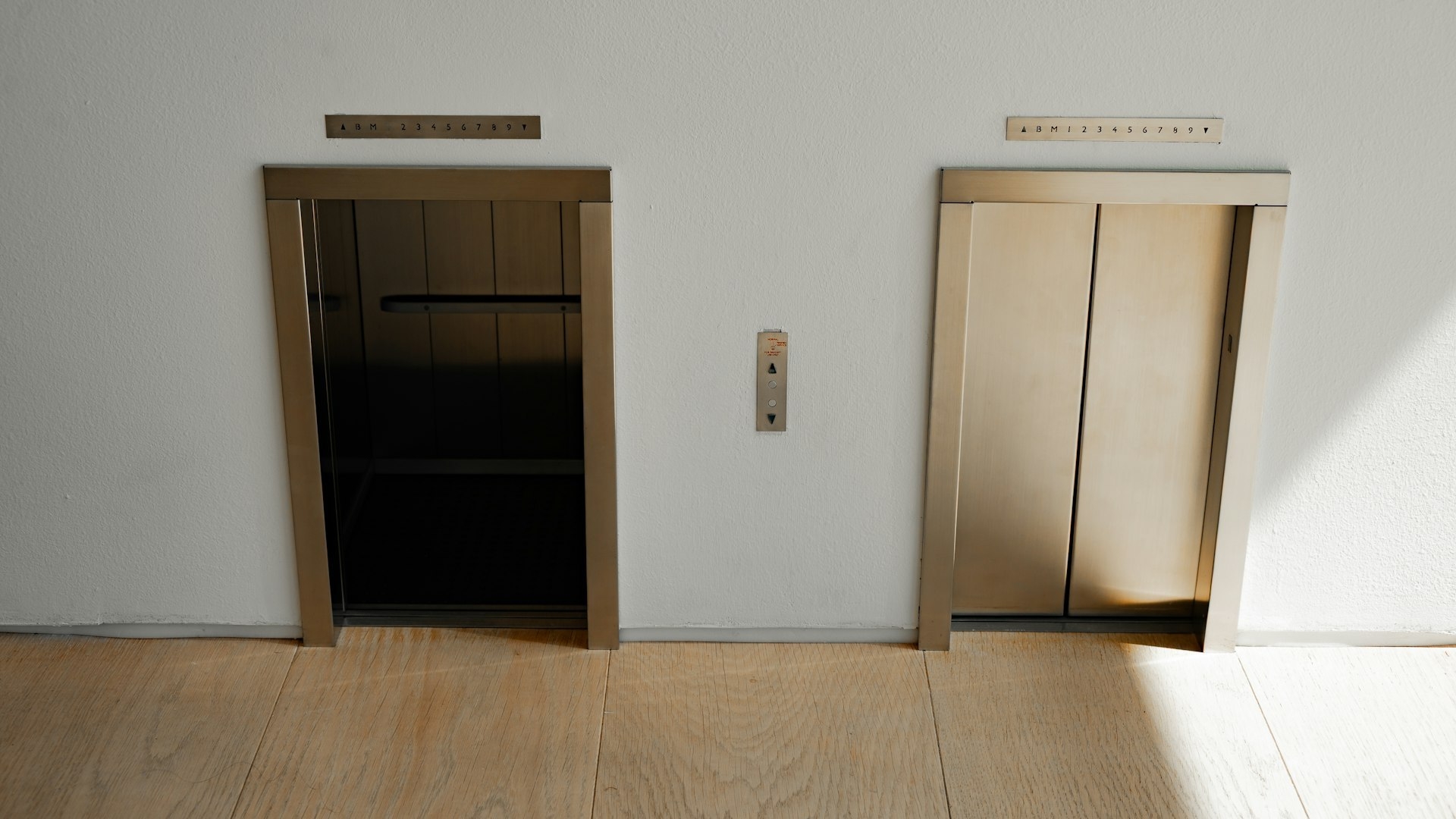
In most Bulgarian blocks the lift is the most expensive item in the common parts, and the most frequent source of neighbour disputes. Whose fault is it that it is out of service? Why does the ground-floor flat pay? How many votes does a new lift need? The answers sit in two sets of rules: the technical rules on safe operation, and the Condominium Management Act (ЗУЕС) on money and decisions.
A lift is classed as hazardous equipment. Responsibility lies with its user, and in a condominium building the user's duties are carried out by the manager or the chair of the management board. The Condominium Act expressly requires owners to look after the safe operation of the building's equipment.
In practice the condominium must have:
The registers of maintenance firms and supervision bodies are public on the ДАМТН website — check yours there.
Inspections are carried out by the licensed technical-supervision body at the user's written request, in the presence of the manager and the maintenance firm, at the intervals set by the ordinance. The date and outcome of the last inspection are in the logbook.
The condominium can change both the maintenance firm and the supervision body at any time. When the maintenance firm changes, the logbook must be presented to the supervision body within 7 days. After a breakdown or accident, the manager must notify the regional technical-supervision inspectorate immediately.
The ДАМТН instruction lists faults that require the lift to be taken out of service until fixed — for example moving with a landing or car door open, broken door glass, a faulty stop button or overspeed governor, water in the pit, or no two-way communication between the car and the emergency service.
Existing lifts must also have certain mandatory safety upgrades: a load-control device (or a reduced car area), emergency lighting in the car, shaft lighting, emergency stop devices, an alarm with two-way voice link, and a toe guard under the car. If any is missing, the user and the maintenance firm must stop the lift, and the inspectorate can order it stopped.
Electricity and the maintenance subscription are upkeep costs of the common parts. Under the Condominium Act they are shared equally by the number of owners, users, occupants and their household members — regardless of the floor they live on. So the ground floor pays too.
Exceptions and details:
Repair, major renovation and replacement of common installations and equipment — lifts included — require a general assembly decision. The cost is shared among the owners in proportion to their ideal shares, not by headcount. A tenant does not owe it by law.
The majorities:
The general assembly may not refuse expenses needed to maintain or restore the common parts. If the lift does not meet the requirements, "no" is not a lawful answer.
Every condominium keeps a repair and renovation fund with monthly contributions by ideal shares. For an urgent repair, the manager releases money from the fund at once. If it is not enough, a general assembly is called; if it fails to decide, the mayor can be asked to step in and may order the owners to carry out the repair.
An owner who has told the manager about a necessary repair may carry it out themselves if no general assembly is called within one month, and then recover the other owners' share.
More on checking the building in our guides to viewing a home and the condominium register.
On every purchase in a block we ask about the lift, the fund and upcoming repairs before any deposit is paid. If you are looking for a flat in a building with a lift, call us or come into the office.
This is general information, not legal advice. Verified as of October 2026.
