Property in Bulgaria's coastal zone: what Zones A and B under the Black Sea Coast Spatial Development Act mean
"Front line", "200 metres from the beach", "a plot with a sea view": on the Black Sea coast these words sell. The law, however, looks at proximity to the sea differently. Since 1 January 2008 the Black Sea Coast Spatial Development Act (ZUChK) has divided the coast into two protection zones, Zone A and Zone B, each with its own bans and building limits. The same distance from the shore can mean ordinary development, tightly restricted development or a complete ban.
Here is how to tell which zone a property is in, what that means, and what to check before you buy.
Where exactly the zones run
Zone A (Art. 10(1) ZUChK) covers:
- the sea area 200 m wide from the shoreline;
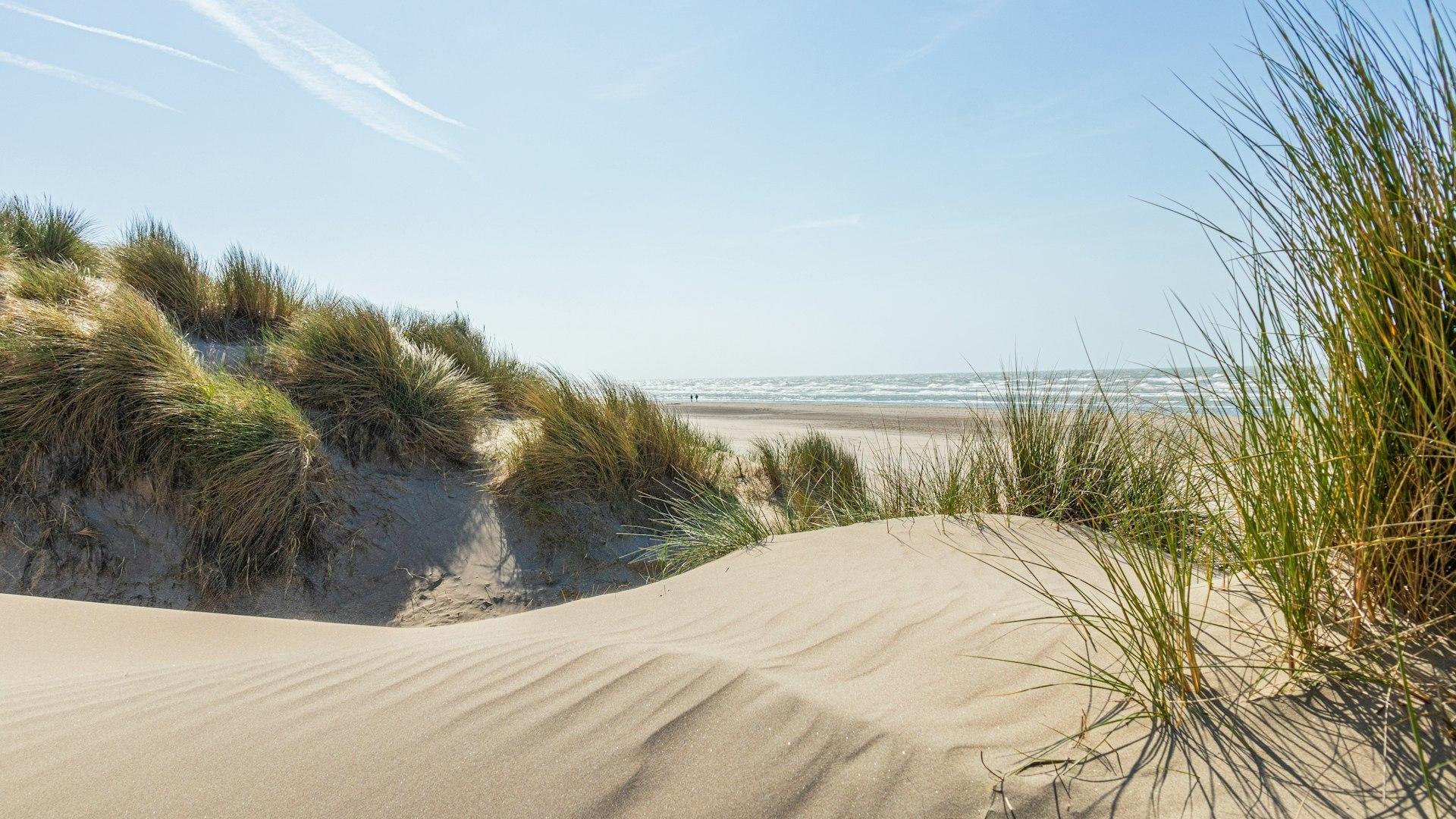
- the coastal beach strip: all sea beaches, together with the sand dunes behind or on them;
- a strip 100 m wide outside settlements, measured horizontally from the edge of the seashore or the beach;
- a 500 m strip around the three beaches designated for nature-friendly tourism: Irakli, Byala–Karadere and Koral.
Zone B (Art. 11(1)) is the strip 2 km wide beyond the 100 m strip, or 1.6 km beyond the 500 m strip at the three beaches. It excludes the urbanised territories of settlements as they stood when the Act came into force.
The practical conclusion matters: a flat within the urban limits of Varna, Burgas or another town that was already urbanised in 2008 is, as a rule, not in Zone B. The 100 m strip of Zone A also applies only outside settlements. The restrictions hit hardest on property outside the urban limits: farmland, forest, holiday plots and land that is "about to become" a resort.
The zone boundaries are entered ex officio on the cadastral map (§ 8 of the Act's transitional provisions), and specialised maps and a register are kept for beaches and dunes (Art. 6(7)).
The beach and the dunes cannot be private
Sea beaches are exclusive state property (Art. 6(3)). Sand dunes, coastal lakes, lagoons and wetlands are public state property that cannot be declared private (Art. 6(4)). If natural processes create a beach on private land, the affected part is expropriated under the State Property Act (Art. 6(8)). We explain how compensation is set in a separate guide on expropriation.
The rules on dunes are particularly strict. In Zone A, Zone B and the urbanised areas behind Zone A, construction, placing temporary structures, changing land use and creating limited property rights on dunes are prohibited (Art. 17a). The only exceptions are projects of national importance, certain underground utility lines and defence facilities. Damaging or levelling dunes is also banned (Art. 17v). Since 2013, no building permits are issued for plots containing dunes, and detailed plans providing for such development are suspended (§ 24(3) and § 25(4) of the transitional provisions of the 2013 amendment).
In other words, if there is a dune on the property, it is in practice not a building plot, whatever the listing says.
What is allowed in Zone A
Outside the beaches, Zone A allows ports, coastal-protection works, treatment plants and other infrastructure. Everything else is subject to strict limits for each plot (Art. 10(3), item 2):
| Indicator | Zone A |
|---|---|
| Built-up density | up to 20% |
| Floor-area ratio | up to 0.5 |
| Green area | at least 70%, half of it trees |
| Height | low-rise, up to 7.5 m |
In the 500 m strip at Irakli, Byala–Karadere and Koral, no buildings are allowed at all, including ancillary buildings (Art. 10(2a)).
Some bans also affect owners of existing property. In Zone A, solid fences may not be built, and no barriers may be placed that restrict free pedestrian access to beaches and dunes (Art. 10(2)). If the detailed plan routes a footpath to the beach through a property, the owner must grant a right of way to the municipality within three months; otherwise all or part of the property is expropriated (Art. 14(3) and (4)).
What is allowed in Zone B
Building is possible in Zone B, within limits that depend on the type of area (Art. 12):
| Type of area | Density | Floor-area ratio | Green area | Height |
|---|---|---|---|---|
| Settlements, resorts and resort complexes (new or extended) | up to 30% | up to 1.5 | 50% | up to 15 m |
| Holiday villages | up to 30% | up to 1.2 | 50% | up to 10 m |
| Villa zones | up to 40% | up to 0.8 | 50% | up to 7 m |
Half of the green area must be trees.
If a plot lies partly in Zone A and partly in Zone B, the regulation and development plan sets two sub-zones, and permitted development is calculated separately for the part in each zone (Art. 12a).
Land outside the urban limits: a field does not easily become a plot
A change of use of farmland or forest in Zones A and B for development is allowed only if it is provided for in a general development plan in force and an approved detailed plan (Art. 17(1)). General plans of coastal municipalities are adopted by the National Expert Council and approved by order of the regional development minister (Art. 19(3)). Detailed plans in the zones go through the municipal expert council, with representatives of several ministries (Art. 16). The procedure is long and the outcome is not guaranteed.
In addition, a building permit in either zone is issued only if there is electricity, water, sewerage with wastewater treatment and waste collection (Art. 13(1)). For what is possible on property without mains sewerage, see our guide to cesspits and small treatment plants.
If the property is also in a protected zone or protected area, the regimes under the Protected Areas Act and the Biological Diversity Act apply on top (Art. 10(10) and Art. 11(3)). We explain how that works in our guide to property in Natura 2000.
What about existing buildings?
The bans in the zones do not apply to lawfully built and permitted structures (§ 5(1) of the Act's transitional provisions). If you are buying a finished property, the key question is whether it is lawful: is there a building permit, a certificate of use or a tolerance certificate? A building put up in breach of ZUChK remains exposed. Another practical point is the ban on construction work during the summer season (Art. 15), which we covered in our guide to Balchik and Kavarna: it affects renovation and finishing work too.
What to check before you buy
- Which zone the property is in: on the cadastral map and with the municipal planning department.
- Whether the area is urbanised and since when: this decides whether it is in Zone B at all.
- Whether there are dunes on or next to the property: in the specialised maps and register.
- What the general and detailed plans provide for: land use, limits, footpaths through the property.
- Whether there is infrastructure: water, sewerage with treatment, electricity.
- A protected zone or area: extra restrictions.
- Building documents for any existing buildings.
In short
- ZUChK sets up Zone A (sea strip, beaches and dunes, 100 m outside settlements, 500 m at three beaches) and Zone B (2 km, or 1.6 km, further inland).
- Territory of settlements already urbanised in 2008 is not in Zone B.
- Beaches and dunes cannot be private; on a plot with dunes you practically cannot build.
- Zone A: up to 20% density, floor-area ratio 0.5, 70% green area, 7.5 m height. In Zone B the limits depend on the type of area.
- As a rule, farmland or forest becomes a building plot only with a general and detailed plan in force.
How we can help
At Scala Di we check seaside properties before we offer them, and we help buyers obtain the documents they need from the municipality and the cadastre. Call us or visit our office and we will review the property you are interested in.
The information is general and indicative and does not replace professional advice.

