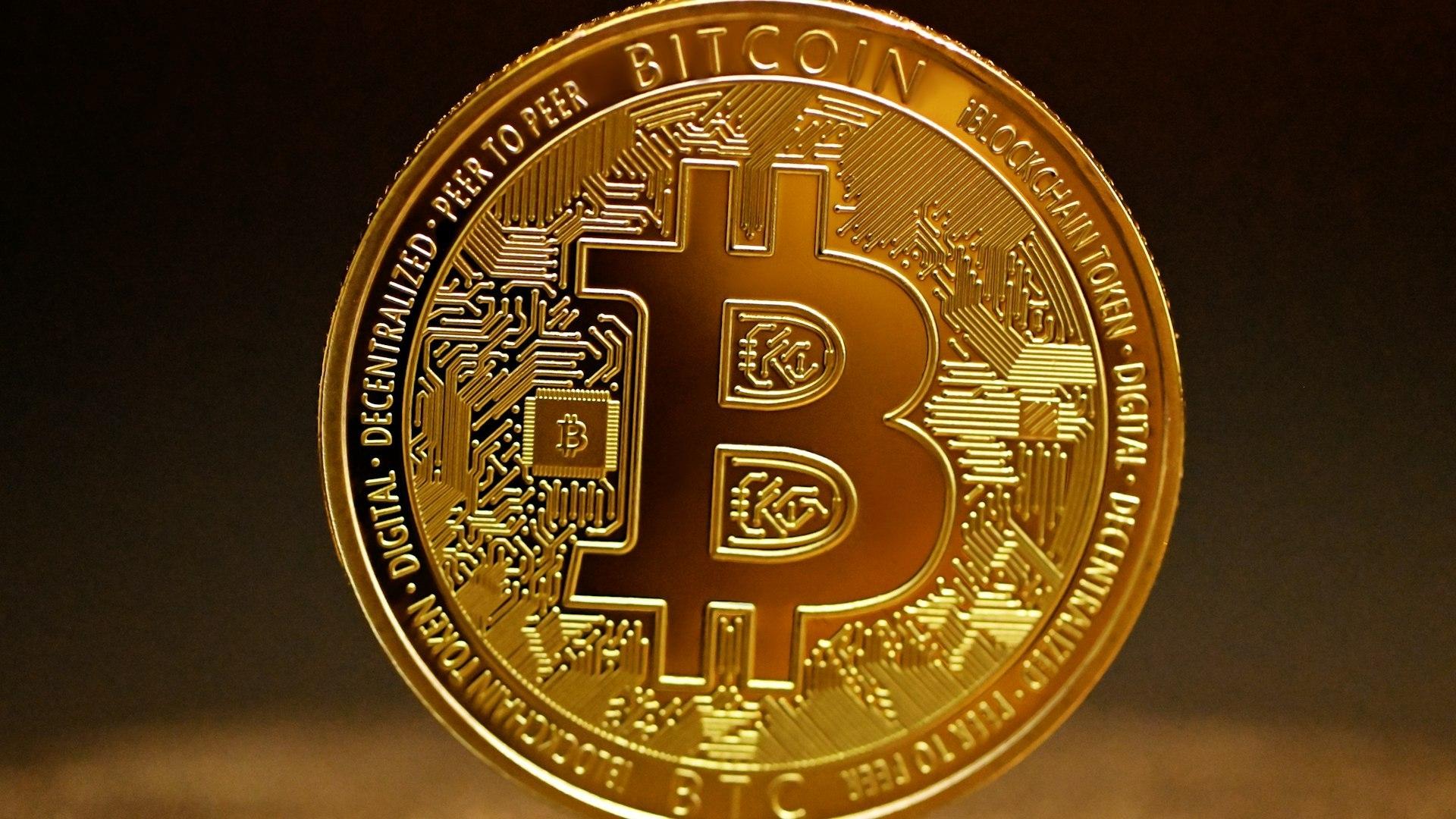
Property for cryptocurrency in Bulgaria: is it allowed, how the notary handles it, which taxes apply and what the risks are
We are asked more and more often: "Can I buy a flat with bitcoin?" or "A buyer wants to pay me in crypto — should I accept?" The short answer is yes, it can be done. The law does not prohibit it. But cryptocurrency is not legal tender, so the deal is structured differently from an ordinary sale.
Here is what you need to know before you agree terms.
Why it is an exchange, not a sale
A sale is the transfer of a property for a price in money. Cryptocurrency is not money in the legal sense. So when a property is transferred for bitcoin, ether or a stablecoin, the transaction is in substance an exchange under Article 222 of the Obligations and Contracts Act. The rules on sale apply to an exchange accordingly (Article 223). Notaries and lawyers who have commented publicly take the same view.
In practice that means three things:
- The form does not change. Title to property passes by notarial deed, as in any other transaction.
- Each side "gives" something. The seller transfers the property; the buyer transfers the crypto-assets. Both sides therefore need to be able to show what they are giving.
- There are tax consequences for both parties (see below).
How a property-for-property swap works is set out in our guide to property exchanges. The rules here are similar, except that what comes back is a crypto-asset.
Two ways to do it
1. Convert to euro first, then a normal sale. The buyer sells the crypto through a licensed provider, receives euro into a bank account and pays for the property by bank transfer. For the notary, the bank and the tax authority it is an ordinary sale. The source of funds is shown with the exchange statement and the bank account.
2. A direct exchange: property for crypto. The parties sign a notarial deed of exchange, and the buyer transfers the crypto-assets to the seller's wallet. It can be done, but it is more complicated for everyone involved.
We nearly always recommend the first route. It is quicker, the notary and the bank understand it, and the seller takes no exchange-rate risk. The second only makes sense if both sides deliberately want to hold crypto and understand the risk.
How the value goes into the deed
If you choose a direct exchange, the contract should state clearly:
- the value in euro at which the parties price the deal;
- the exact quantity and type of crypto-asset;
- which rate is used — from which exchange or aggregator, and at what moment;
- when and how the crypto is transferred, and to which address.
The rate can move a long way between the preliminary contract and the deed. Agree in advance what happens if the value falls or rises beyond a set threshold — a top-up, a recalculation or a right to withdraw. A deposit can also be paid in crypto, but the usual deposit rules still apply; we explain them in our guide to deposits and preliminary contracts.
What the notary will ask for
Notaries and estate agents are obliged entities under Bulgaria's anti-money-laundering law (ZMIP). With crypto, the source-of-funds check is more detailed, not less. Prepare:
- an acquisition history — when and where the crypto came from (exchange purchases, payments received, mining);
- statements from the exchange or provider and transaction data (hashes, addresses);
- proof of the transfer to the seller in a direct exchange;
- if needed, a written declaration on the source of funds.
If the check cannot be completed, the notary may refuse the deal. So talk to the notary before you fix a signing date. The general rules on proving where money comes from are in our guide to paying for a property with money from abroad.
The provider must be licensed
Bulgaria's Markets in Crypto-Assets Act (State Gazette No. 54 of 4 July 2025) implements the EU MiCA Regulation, with the Financial Supervision Commission (FSC) as the competent authority. The transition period for providers registered with the National Revenue Agency under the old rules ended on 1 July 2026. Since then crypto-asset service providers need a MiCA licence.
Before you convert a large sum, check that the exchange or broker is licensed. An unregulated intermediary is a poor choice precisely in a transaction where you will have to show documents to a notary and a bank.
Local tax and fees
Local acquisition tax, the notary fee and the registration fee are payable as in any deal. For an exchange, the Local Taxes and Fees Act makes the party acquiring the higher-value asset liable for the tax unless agreed otherwise. The base is the agreed value, but not less than the property's tax valuation.
Exactly how the notary will value a crypto-asset — at the agreed euro figure or the market rate on the day — is a point on which commentators differ. Settle it with the notary in advance so there are no surprises on signing day.
Tax for the buyer
A buyer paying in crypto is disposing of crypto-assets. According to the National Revenue Agency, income from selling or exchanging crypto-assets is income from the sale of financial assets under Article 33(3) of the Personal Income Tax Act. The rules are:
- tax is charged on the annual net positive result of all crypto transactions;
- 10% standard deductible expenses are allowed, and the tax rate is 10%;
- it is declared in the annual tax return (Annex 5) between 10 January and 30 April of the following year;
- if the activity is systematic and professional, the tax authority may treat it as business income under different rules.
An example: you bought bitcoin for €40,000 and today it covers a property worth €120,000. The €80,000 gain goes into the annual result you will declare. Work out the tax before the deal, not after.
Tax for the seller
For the property seller, the law covers both sale and exchange. So the usual exemptions still apply — for example, for one home owned for more than three years. They are covered in detail in our guide to tax when selling property.
If the seller keeps the crypto and sells it later, the difference against its value on receipt may be taxable. Document that value on the day of the deal and take advice from an accountant.
DAC8: the end of anonymity
From 1 January 2026, crypto-asset service providers in the EU collect data on their clients and transactions under the DAC8 directive. In Bulgaria the changes are in the Tax and Social Insurance Procedure Code, and the first reports for 2026 are due to the National Revenue Agency by 30 June 2027. In practice, crypto transactions through regulated exchanges will be visible to the tax authority — one more reason to keep your paperwork in order from the start.
Mortgages and crypto do not mix
Banks in Bulgaria do not lend against crypto-assets, and crypto cannot serve as mortgage security. If part of the price comes from a bank loan, the deposit must be in euro in a bank account. The buyer will have to convert the crypto beforehand.
Checklist before a crypto deal
- Decide whether to convert to euro before the deal or do a direct exchange.
- Check that the provider holds a MiCA licence.
- Gather the full history of the crypto-assets, from acquisition to today.
- Talk to the notary in advance: the form, the source of funds, how the value will be set.
- Put the euro value, the quantity, the rate and an exchange-rate clause in the contract.
- Calculate the tax on your crypto gain and plan for it.
- The seller should document the value of the crypto received on the day of the deal.
In short
A property can be bought and sold for cryptocurrency, but the deal is an exchange and needs more paperwork and preparation. For most people the safer route is to convert to euro through a licensed provider first and complete an ordinary sale. If you do go for a direct exchange, what matters most is a clear value in the contract, a documented source of funds and an early conversation with the notary.
If you are considering a crypto deal, or a buyer has offered to pay you that way — call us or come into the office. We will look at your situation and coordinate the transaction with the notary before you commit to anything.
General information, verified as of November 2026. It does not replace legal and tax advice on a specific transaction. Notarial and tax-authority practice on crypto-assets is still developing.