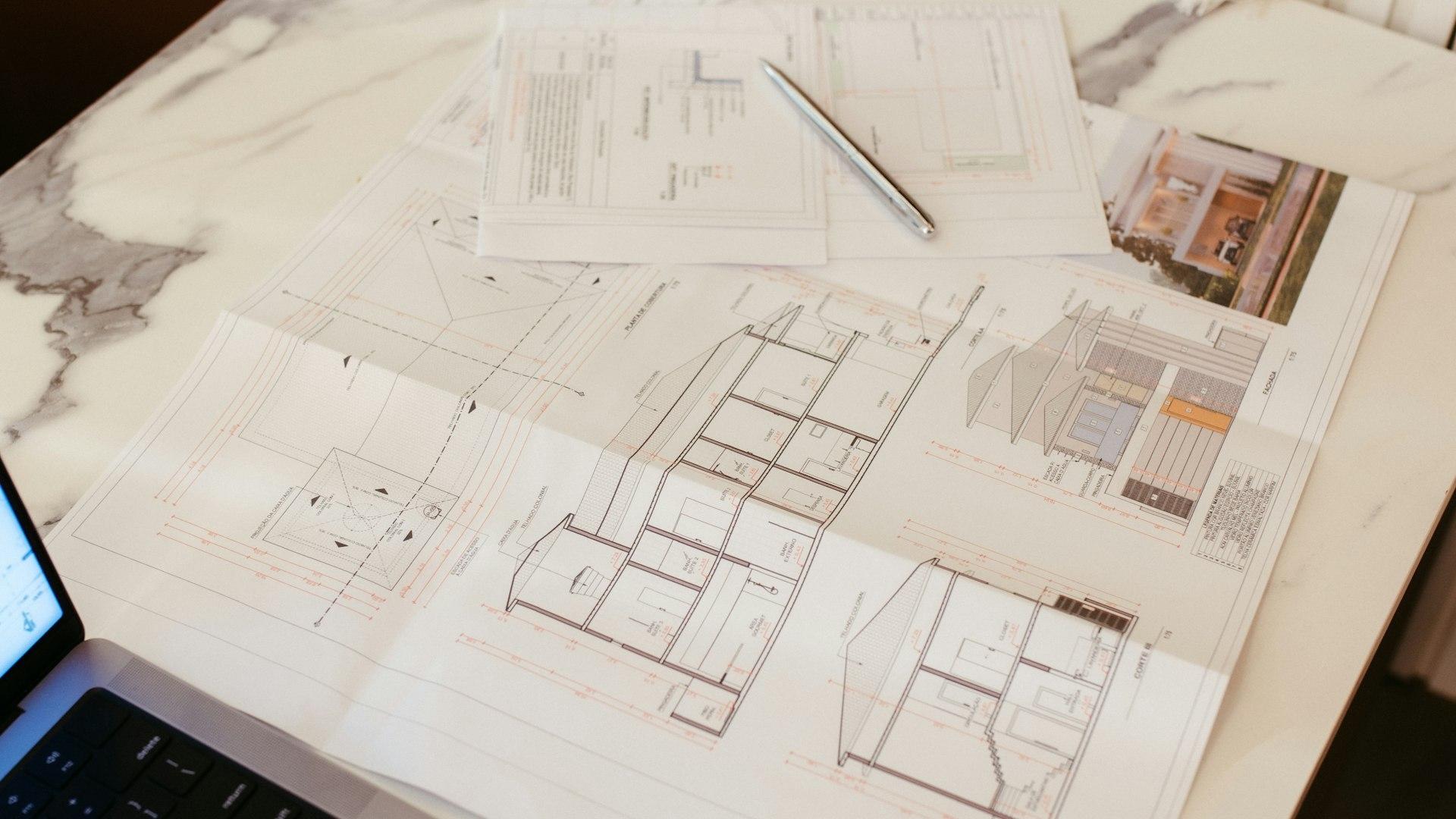
Planning law bill tabled in Bulgaria: spatial plans and building permits to be electronic-only, in a single information system
On 14 October a bill amending Bulgaria's Spatial Planning Act (ZUT; bill No. 52-654-01-164) was tabled in the National Assembly. The sponsors are MPs Bozhidar Bozhanov, Nadezhda Yordanova, Elisaveta Belobradova, Aleksandra Sterkova, Dimitar Naydenov and Aleksandar Simidchiev. According to the explanatory memorandum, the aim is to digitalise spatial planning, investment design and building permitting.
What the bill proposes
A single information system. The Minister of Regional Development and Public Works would create and run a Unified Information System for spatial planning, investment design and building permitting (new Art. 5g). It would bring together the existing Unified Public Register under Art. 5a and the National Spatial Planning Portal. Through the system:
- draft spatial plans, their amendments and plans in force would be published;
- information would be pulled from the public procurement platform on who the state or municipalities hired to draw up spatial plans and designs, and how much they were paid;
- data would be exchanged automatically with the cadastre and property register.
Electronic documents only. Planning assignments and spatial plans would be prepared as electronic documents, and the exact time of legally significant steps would be certified with a qualified electronic time stamp. The following would be issued as electronic documents:
| Act | Provision in the bill |
|---|---|
| Permits to draw up spatial plans | Art. 124b, new para. 7 |
| Acts approving detailed spatial plans | Art. 129, new para. 7 |
| Building permits | Art. 148, paras. 2 and 3 |
| Orders amending a building permit | Art. 154, para. 5 |
| As-built documentation | Art. 175, para. 2 |
Public building documents. The building permit would be kept indefinitely, and the approved investment design would be published in the Unified Public Register alongside it. Permit-amending orders would be published there too, and the as-built documentation within 14 days of the permit-issuing authority receiving it.
Signature instead of stamp. Designers would sign drawings with a qualified electronic signature instead of a personal stamp. A client could authorise someone else in three ways: a notarised power of attorney, electronic authorisation, or through the e-government portal.
Exception. For sixth-category construction, applications and documents could still be filed on paper.
Timing and transitional rules
Under the bill, the law would enter into force 12 months after publication in the State Gazette. Procedures already under way would be completed under the old rules. The ministry would have 8 months to update its ordinances. Within 6 months the Council of Ministers would designate pilot municipalities that could apply the new procedure earlier.
Context
This is a bill, not an adopted law. It still has to pass through parliamentary committees and two plenary votes, and the text may change. In September Democratic Bulgaria presented a package of 40 digitalisation bills that included an electronic process for investment design and spatial planning — we covered it in Democratic Bulgaria proposes 40 digitalisation bills.
What it would mean for buyers and owners
For buyers of new builds. Today, checking that a building is legal often depends on which copies the developer is willing to show you. If the changes are adopted, the building permit, the approved design, any orders changing it during construction and the as-built documentation would all be published in one register. You could then check yourself whether what was built matches what was approved.
But not yet. Even with quick adoption, the new procedure would apply at the earliest a year after publication, and projects already started would continue under the old rules. For buildings being sold now, the checks stay the same:
- ask for a copy of the building permit and the approved design, and compare the number of floors, the area and the designated use of the unit;
- check whether there are orders amending the permit — they show changes made during construction;
- verify the details with the municipality or district administration, and with the National Construction Control Directorate (DNSK) if in doubt;
- don't pay large sums before you know what stage the building has reached — see what Act 14, Article 181, Act 15 and Act 16 actually mean and our general legal checks before buying.
For plot owners and clients. If you build or convert, prepare for a qualified electronic signature. Without one you would need to authorise someone in one of the three ways set out in the law. Sixth-category works remain the exception.
For owners near new projects. Publishing draft spatial plans in a single system should make it easier to track changes that affect neighbouring properties.
In brief
- On 14 October a bill amending the Spatial Planning Act (No. 52-654-01-164) was tabled, with Bozhidar Bozhanov as lead sponsor.
- It creates a Unified Information System for spatial planning, linked to the cadastre and property register.
- Building permits, acts approving detailed plans and permit-amending orders would be issued only as electronic documents.
- The approved design and as-built documentation would be published in the register with the building permit.
- Proposed entry into force: 12 months after publication; procedures already started continue under the old rules.
Buying a home in a building under construction and want to check its documents? Call us or visit our office — we will help you understand what you have been given and what else to ask for.
Source: National Assembly — bill No. 52-654-01-164 and its explanatory memorandum. This information is general and is not legal or financial advice.