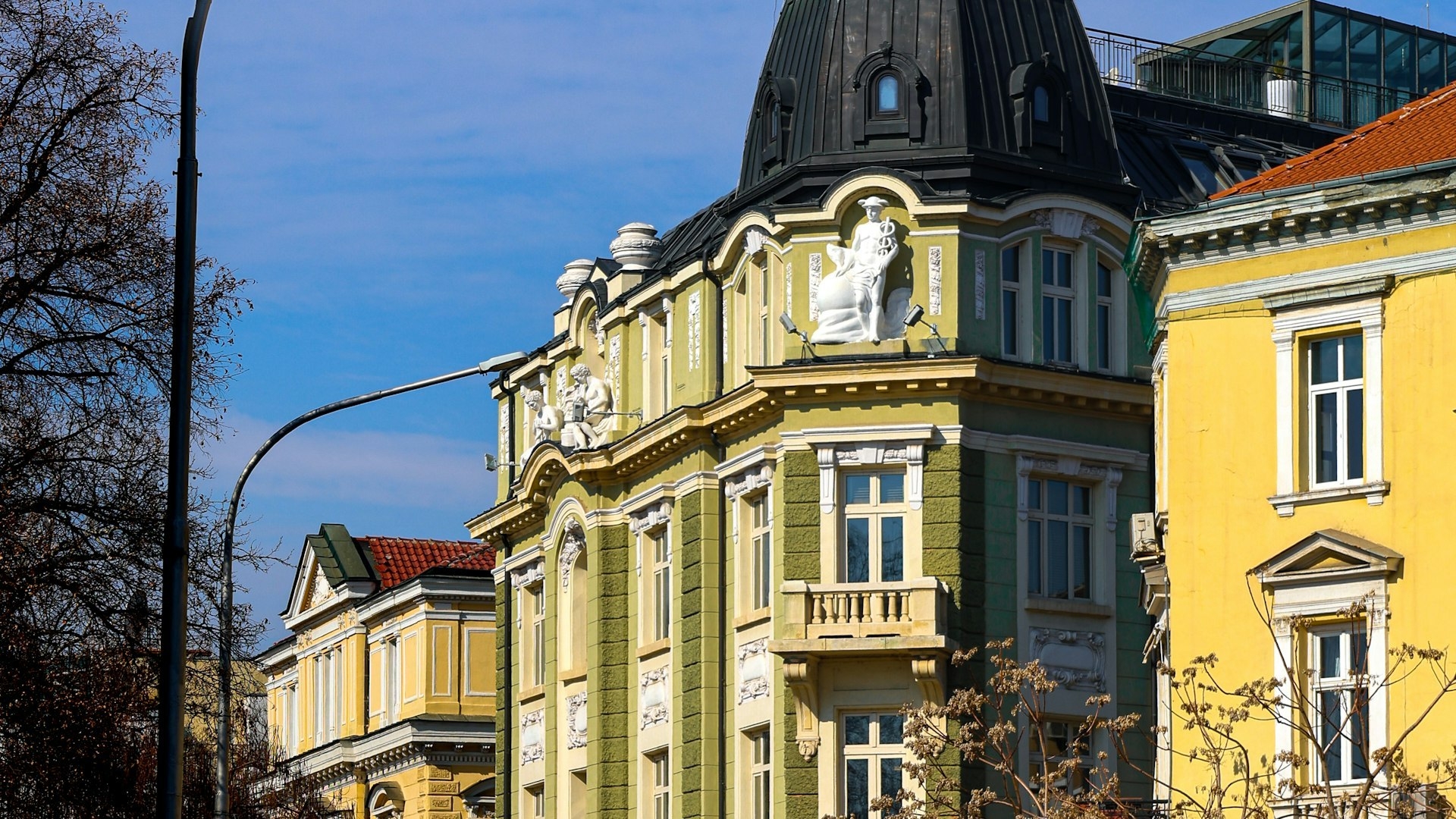
Lozenets hardly needs an introduction: close to the city centre, between South Park and the road up to Vitosha, with quiet side streets and a strong reputation. That is exactly why the name is used generously in listings – sometimes for addresses on the edge of the area or just beyond it. Before you compare prices, it helps to know what actually sits behind the name.
The character of the neighbourhood
Lozenets is not uniform. Roughly, it falls into three parts:
- Lower Lozenets – closer to the centre and the National Palace of Culture (NDK), with older buildings, leafy courtyards, and shops and cafés within walking distance. It feels urban, and the streets are narrower.
- Upper Lozenets – further up the slope, quieter, with more upmarket buildings from the last 20–25 years and small gated developments. Here you pay for calm, views and neighbours.
- The edges towards Cherni Vrah Boulevard, Hladilnika and Krastova Vada – newer construction and wider boulevards, but more traffic.
What they share: the area is hilly. The two ends of the same street can differ a lot in gradient, noise and sunlight.
The housing stock
- Mid-20th-century brick buildings – solid, often with high ceilings and practical layouts, but with ageing common areas and services. Their condition depends entirely on the owners' association.
- 1960s–1980s blocks – mostly brick and large-format concrete (EPK) rather than panel. Good floor areas at a price that is reasonable for the area, but check the roof, lift and façade.
- 1990s–2000s cast-concrete buildings – the bulk of the market. Quality varies widely, from well-built to buildings where insulation and common areas were cut back.
- New builds – mainly in the upper and edge areas, often with underground garages and higher maintenance fees.
As in any popular area, an older flat in a good spot is often in higher demand than a new one on the periphery. We looked at why existing homes have been rising faster in a separate article.
Transport and getting around
- Metro: line M2 runs along the western edge of the area, with European Union, James Bourchier and Vitosha stations (the last on Cherni Vrah Boulevard, near Hladilnika). For the lower and western parts the metro is a real advantage; from Upper Lozenets the walk is often long and uphill.
- Surface transport: buses and trolleybuses on the main boulevards. Check the routes from the specific address, not the neighbourhood in general.
- By car: easy access to the centre, Vitosha and the ring road, but morning traffic on Cherni Vrah, James Bourchier and Bulgaria boulevards is something you will feel. Do a test drive at rush hour.
Parking
This is the issue buyers in Lozenets most often run into after they move in. In the older parts street parking is hard, and garages and parking spaces are sold separately and are not cheap. If the building has no space for you, check whether the address is in a paid-parking zone and what the residents' rules are. With a new build, ask for a clear description of the parking space in the contract – as a separate property unit or as a right of use.
Who Lozenets suits
- Families with children who want parks, greenery and schools nearby without moving away from the centre.
- Professionals working in the centre or the south of the city.
- Investors looking for steady rental demand – the area is popular with tenants, including expatriates.
It suits less well people who need level ground (for example with limited mobility) or who insist on a cheap dedicated parking space.
Pros and cons
Pros: close to the centre and South Park; good amenities; steady demand on resale and for rent; a wide choice of buildings.
Cons: prices above the Sofia average; traffic on the main boulevards; difficult parking in the older part; steep streets; construction next door in the edge areas.
What to check before you buy
- The exact address and micro-location. Visit at different times of day. Gradient, boulevard noise and views change literally from one block to the next.
- The building's paperwork. For a new build – the building permit, the stage reached (Act 14, 15 or 16) and who owns the land. For older buildings – whether attic and basement rooms sold as flats are lawful.
- Common areas and the owners' association. Roof, lift, façade, planned repairs and any arrears to the repair fund.
- Neighbouring plots. An empty plot next to a building in Lozenets rarely stays empty. Ask the district administration whether a project or building permit has been approved next door – it will affect views, light and noise for years.
- Legal status. Title, encumbrances, mortgages, attachments. There is a full list in our guide to legal checks.
- Financing. Prices here are above the city average, so work out the monthly payment first with our mortgage calculator. We track how the capital's market is moving in our market reports.
In short
- Lozenets is several neighbourhoods in one – the lower, upper and edge areas differ in buildings, traffic and price.
- Buildings range from mid-century brick to new builds; the state of the common areas is key.
- Metro line M2 serves the western edge; higher up you rely on surface transport and the car.
- Parking and construction next door are the two most common practical problems.
- Check the specific address, the building's documents and the neighbouring plots before you sign.
If you are considering a home in Lozenets, call us or come into the office. We will show you the differences between the parts of the neighbourhood on the ground and go through the documents of the specific property with you.
This information is general and does not replace individual advice. Verified as of October 2026.