
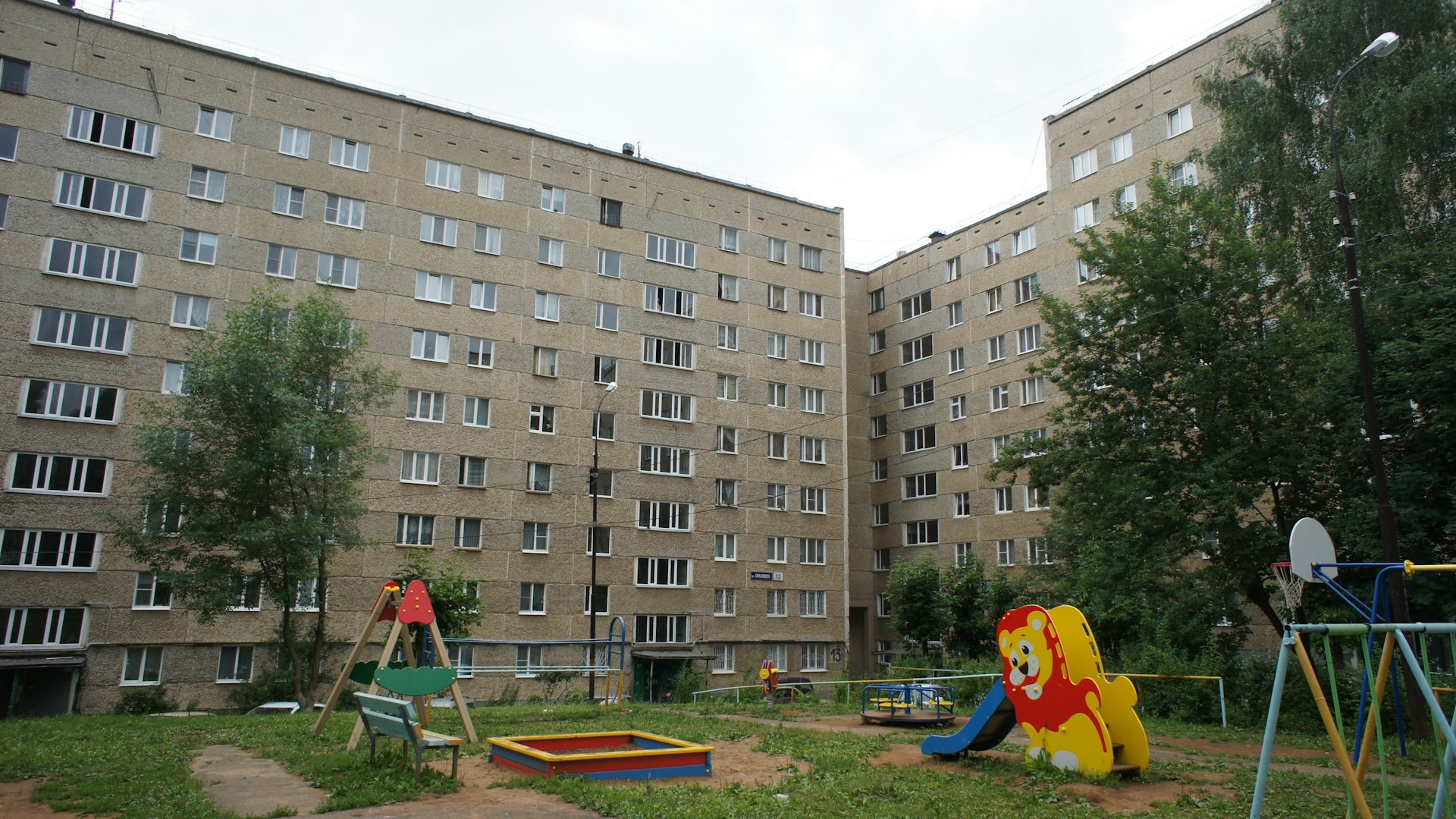
On 7 October 2026, Sofia's deputy mayor for urban planning, architect Lyubomir Georgiev, and the mayor of Mladost district, Ivaylo Kukurin, met residents of Mladost 1A at the 145th school "Simeon Radev". The trigger: three detailed development plans (PUPs) for new housing in the neighbouring Lyudmila Zhivkova zone. The municipality's response is a new approach for Sofia — negotiating with developers so that they pay for part of the local infrastructure.
| Places | |
|---|---|
| Existing places in Mladost 1A | 255 |
| Current need | about 355 (shortfall ≈ 100) |
| Planned but unbuilt kindergarten | about 280 |
| Additional need from new residents next door | about 460 |
Put simply: even if the long-delayed kindergarten is built, it cannot cover both today's shortfall and the needs of the new residents. School and street capacity were also described as insufficient.
The idea is that part of the uplift in land value created by a new PUP flows back into the neighbourhood as public infrastructure. Under discussion with the three developers:
Important: so far no agreements have been signed. Until a national mechanism exists, the municipality is relying on case-by-case negotiation and written agreements with each developer. In the longer term it is preparing the brief for a full revision of the General Spatial Plan and proposes a dedicated "Blagoustroystvo" (public works) fund, which would require legislative changes by Parliament. No timetable has been given for any of the three.
Residents asked that public facilities be completed before the new buildings are approved for occupancy, and raised parking, school-run traffic, footpaths that flood and the loss of green space. Georgiev undertook to bring these demands into the negotiations.
Mladost 1A is the pilot. In a BNT interview on 7 October, Georgiev said new construction is now assessed against the load on the whole neighbourhood — streets, sewerage, kindergartens, schools, parking and green space — and that his department inherited 275 comprehensive plans, some waiting 15–20 years. If the model works, similar agreements could become a standard part of large projects elsewhere in Sofia.
Years of construction and a large new supply of homes right next door are ahead. Against that stand a possible new kindergarten, a renovated school and a better road link — but only if the agreements are signed and delivered. For now this is a process, not an outcome; it is a reason neither to rush a sale nor to raise your asking price.
Sofia is testing in Mladost 1A a model in which developers help build kindergartens, schools and streets in return for new development rights. The figures show a real shortfall, and nothing is signed yet. For buyers of new-build homes in the area, that means checking documents and timelines more carefully — not walking away.
If you are thinking of buying or selling in Mladost or another neighbourhood with a lot of new construction, call us or visit our office — we will help you check the project, the paperwork and the real timeline before you sign.
