Your First Home in Bulgaria: A Roadmap for First-Time Buyers, from Savings to Keys
A first home purchase rarely fails because of one big problem. Far more often the trouble is the order of things: viewings before you know your budget, a deposit before you know whether the bank will lend, a notary appointment with surprises in the bill.
This roadmap puts the process into nine steps. Wherever we already have a detailed guide, you will find a link — here the focus is on sequence and money.
Step 1: work out your real budget, not just the price
First-time buyers tend to think about the price of the home. The bank and the notary think about three more items:
- Your own contribution. Under the standards the Bulgarian National Bank (BNB) introduced from 1 October 2024, banks lend up to 85% of the property's value. That means at least 15% of your own money, and most banks offer better terms for a bigger deposit.
- Transaction costs. The local acquisition tax ranges from 0.1% to 3% depending on the municipality and is 3% in Sofia, Plovdiv, Varna and Stara Zagora — details in our guide to the property acquisition tax. On top come the notary fee, the registration fee (0.1%), loan costs and the agency commission if you use an agent. You can estimate notary fees with our notary calculator.
- A buffer after the notary. Renovation, furniture, moving. If you buy a new-build flat at shell-and-screed stage, that is a whole second budget — see our guide to finishing costs.
Sample budget: a €150,000 flat in Sofia
| Item | Indicative |
|---|---|
| Own contribution, 15% | €22,500 |
| Local tax, 3% (on the higher of price and tax valuation) | €4,500 |
| Registration fee, 0.1% | €150 |
| Notary fee, loan costs, commission | per tariff and offers |
| Loan | €127,500 |
| Monthly payment over 30 years at 2.43% | about €500 |
The rate in the example is the BNB average for new housing loans in July 2026. Yours will depend on your profile. The figures are indicative; you can run your own numbers with our mortgage calculator.
Step 2: talk to the bank before you start looking
The BNB standards also cap the instalment: debt service should not exceed 50% of monthly income, and the term 30 years. So your first conversation is with a bank, not a seller.
A preliminary creditworthiness assessment tells you two things: the maximum you can borrow and on what terms. Get one from two or three banks. That way you search with a real ceiling and can negotiate with confidence. How to compare offers and what the rate, APR and deposit mean is covered in our mortgage guide.
Step 3: decide what you are looking for
New build or resale, neighbourhood, floor, number of rooms. Answer three questions up front: when do you need to move in (new builds often mean waiting), how much renovation can you take on, and where will you be in five years. They narrow the search more than any filter.
Step 4: viewings with a checklist, not just a feeling
At a viewing, look for what the photos do not show: damp, wiring and plumbing, the common parts, the building's management, noise. Ask about running costs and any debts to the building's owners' association. If you like the flat, the next step is the paperwork — not the deposit.
Step 5: legal checks before you sign
Before paying anything, check ownership, encumbrances (mortgages, attachments, registered claims), the building's status and any debts. This is the most important step and the most common reason a deal stalls. The full list is in our guide to legal checks before buying.
Step 6: the deposit and the preliminary contract
The preliminary contract is where a first-time buyer protects themselves. Three clauses matter most when you are buying with a loan:
- a deadline for the final deal that allows for the time the bank will actually need to approve;
- return of the deposit without penalty if the loan is refused;
- who handles removing any existing mortgage on the seller's side.
Step 7: valuation and loan approval
The bank commissions a valuation from a licensed valuer. The loan is based on the valuation, not the price — if the valuation comes in lower, you cover the gap from your own funds. So do not spend your entire reserve on the deposit.
Step 8: the day at the notary
On the day of the deal, the notarial deed for the purchase and the contractual mortgage in favour of the bank are usually signed together. The local tax and notary fees must be paid beforehand. The price is paid by bank transfer as agreed in the contract. Bring your ID and check in advance which documents the notary will need.
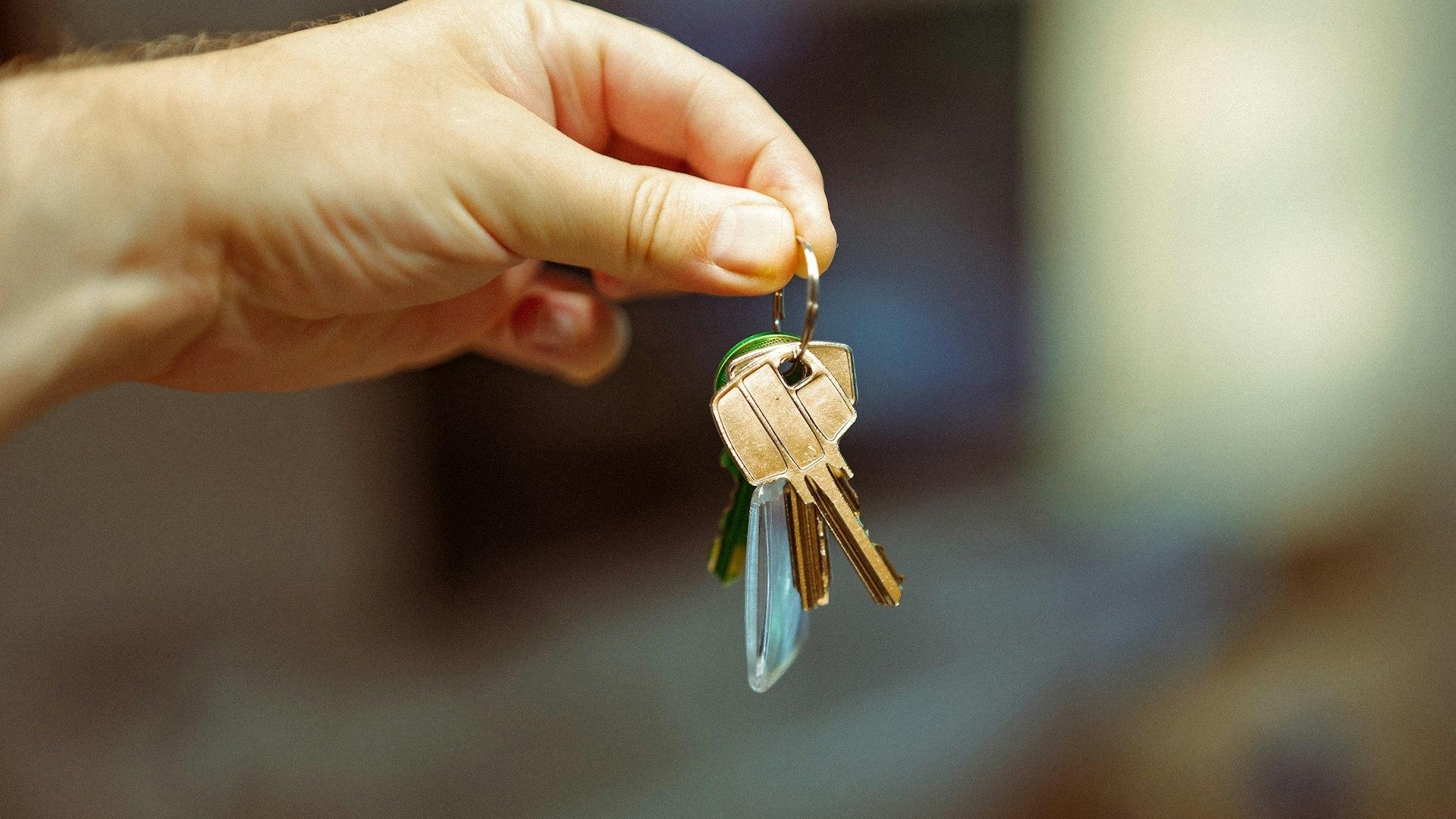
Step 9: after the keys
- Transfer the utility accounts for electricity, water, heating and internet into your name, and record the meter readings in a handover protocol.
- Check the property tax and waste fee for your new home.
- Insurance — the bank usually requires the property to be insured for the term of the loan.
- Young-families tax relief. If you are married and neither of you was 35 or older on the date of the loan agreement, and this is the family's only home, you can deduct from your annual tax base the interest on the first €51,129.19 (BGN 100,000) of the principal (Art. 22a of the Personal Income Tax Act). It is claimed in the annual tax return, with a bank certificate of the interest paid.
In short
- Your budget is the price plus at least 15% of your own money, local tax, fees and a renovation buffer.
- Get pre-approval from the bank first, then start viewing.
- Legal checks come before the deposit, not after.
- In the preliminary contract, agree a deadline and the return of the deposit if the loan is refused.
- The loan is based on the valuation, not the price. Keep a reserve.
- After the keys: utilities, local taxes, insurance and the Art. 22a relief if you qualify.
Buying your first home and want someone to walk the whole way with you — from the numbers to the keys? Call us or visit our office. We will start with the budget and the bank and guide you step by step to the notary.
The information is general and indicative and does not replace professional advice.

