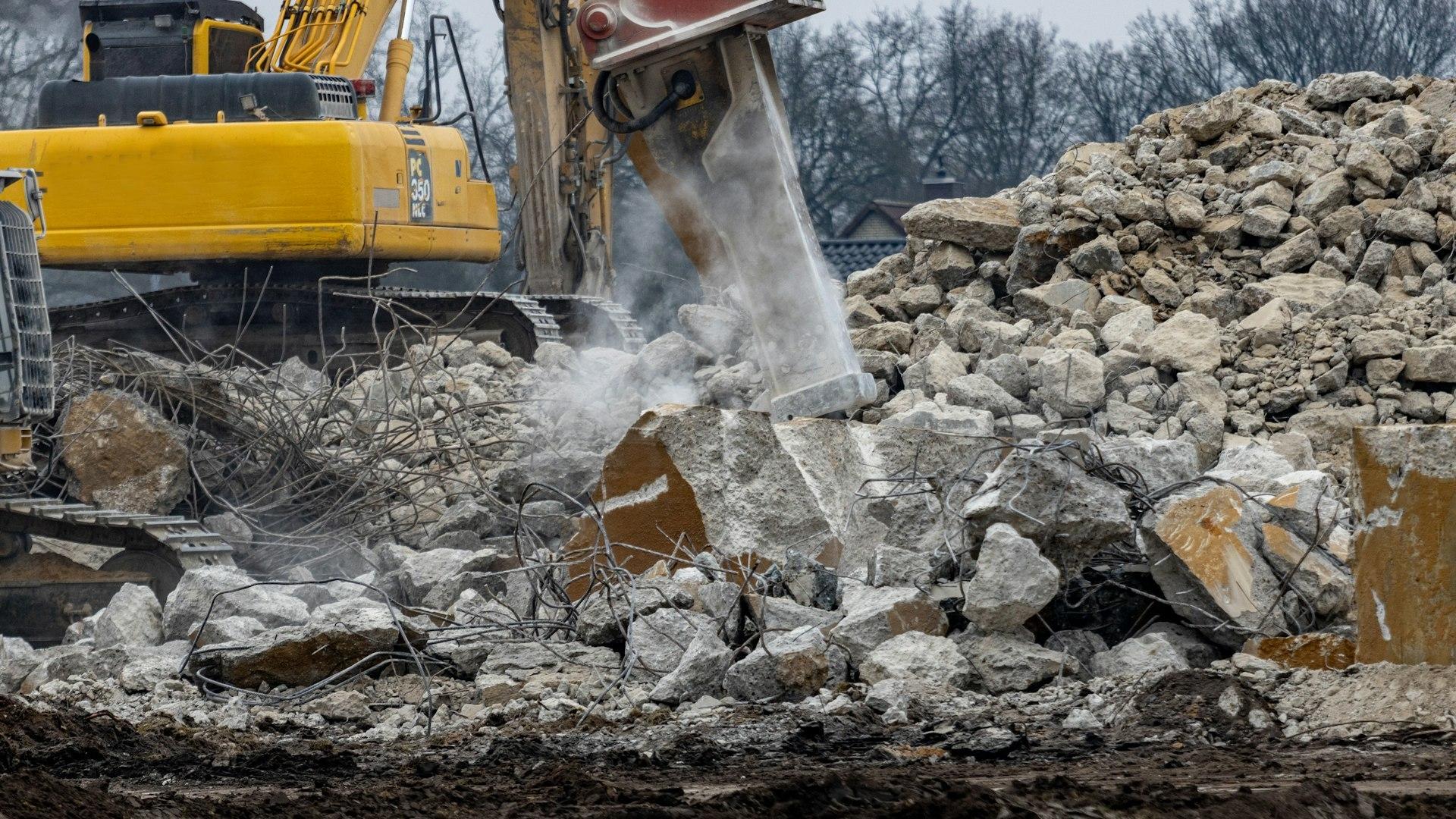
Stara Zagora removes the last 20 illegal structures in the Lozenets quarter, built on state forest and park land outside the regulation plan
On Wednesday, 19 August, Stara Zagora municipality began removing the last 20 illegal structures in the Lozenets quarter, the Bulgarian News Agency (BTA) reported. According to mayor Zhivko Todorov, this closes the chapter on some 550 illegal structures catalogued in the quarter over the years.
What happened
The removal procedure covered 29 structures. Their owners took down nine themselves; the remaining 20 were scheduled to be removed by the municipality on Wednesday.
The structures stand on private state property – forest land (broadleaf woodland) and park land – and lie outside the regulation lines. That is why, the mayor said, they cannot be legalised. Todorov stressed that the municipality is acting solely on the need to uphold the law. He also noted that power and water infrastructure had been built in places over the years and that various institutions had contributed to the spread of illegal construction.
The removal had already been postponed once so that the social side could be dealt with. Deputy mayor Pavlina Delcheva said social workers had identified 18 households with 21 children. The municipality received 12 housing applications, four families met the criteria, and by the day before the operation four households had been placed in social or municipal housing. The municipality is also preparing new auctions to sell properties, since some residents want to buy a home.
Residents of the legal part of the quarter have complained for years about the illegal construction, the lack of infrastructure, waste collection and unauthorised dumps. In August last year, more than 100 illegal structures were removed in the same quarter.
What it means for buyers and tenants
The Lozenets case illustrates something that applies across the country: a building that cannot be legalised can be demolished – no matter how many years it has stood, whether it has power and water, or whether someone paid for it.
Power and water are not proof of legality. A utility connection does not prove that a building is lawful, nor that you have any rights to it. Legality is proven by approved building documents and a commissioning document – or by a certificate that the structure is tolerated.
The land is decisive. Under the general rule of the Property Act, a building on someone else's land – state, municipal or private – belongs to the landowner unless a right to build has been granted. "Selling" such a building against a receipt, or under a contract that is not a notarial deed, does not make the buyer an owner.
So is the regulation plan. When a building lies outside the regulation lines, on forest or park land, the route to legalisation is usually closed. Before buying a house or holiday home – especially on the outskirts, in holiday-home zones and in older quarters – check not only the building but the land itself: who owns it, its designation in the cadastre, and the detailed development plan in force.
If you rent. A lease on an illegal building does not protect you from a demolition order. Ask the landlord for the title document and for the building's status.
We explain which documents to ask for, and how we check them on every deal, in our guide to legal checks before buying a property.
In brief
- Stara Zagora is removing the last 20 of some 550 illegal structures in the Lozenets quarter; owners took down nine others themselves.
- The buildings stand on state forest and park land outside the regulation plan and cannot be legalised.
- Before you buy or rent a building "without papers", check who owns the land, the regulation plan and the building documents.
If you are thinking of buying a house or holiday home in the Stara Zagora area and want to be sure what exactly you are buying, call us or drop by our office – we will check the documents and the land before you pay a deposit.
Source: BTA. This information is general and is not legal or financial advice.

