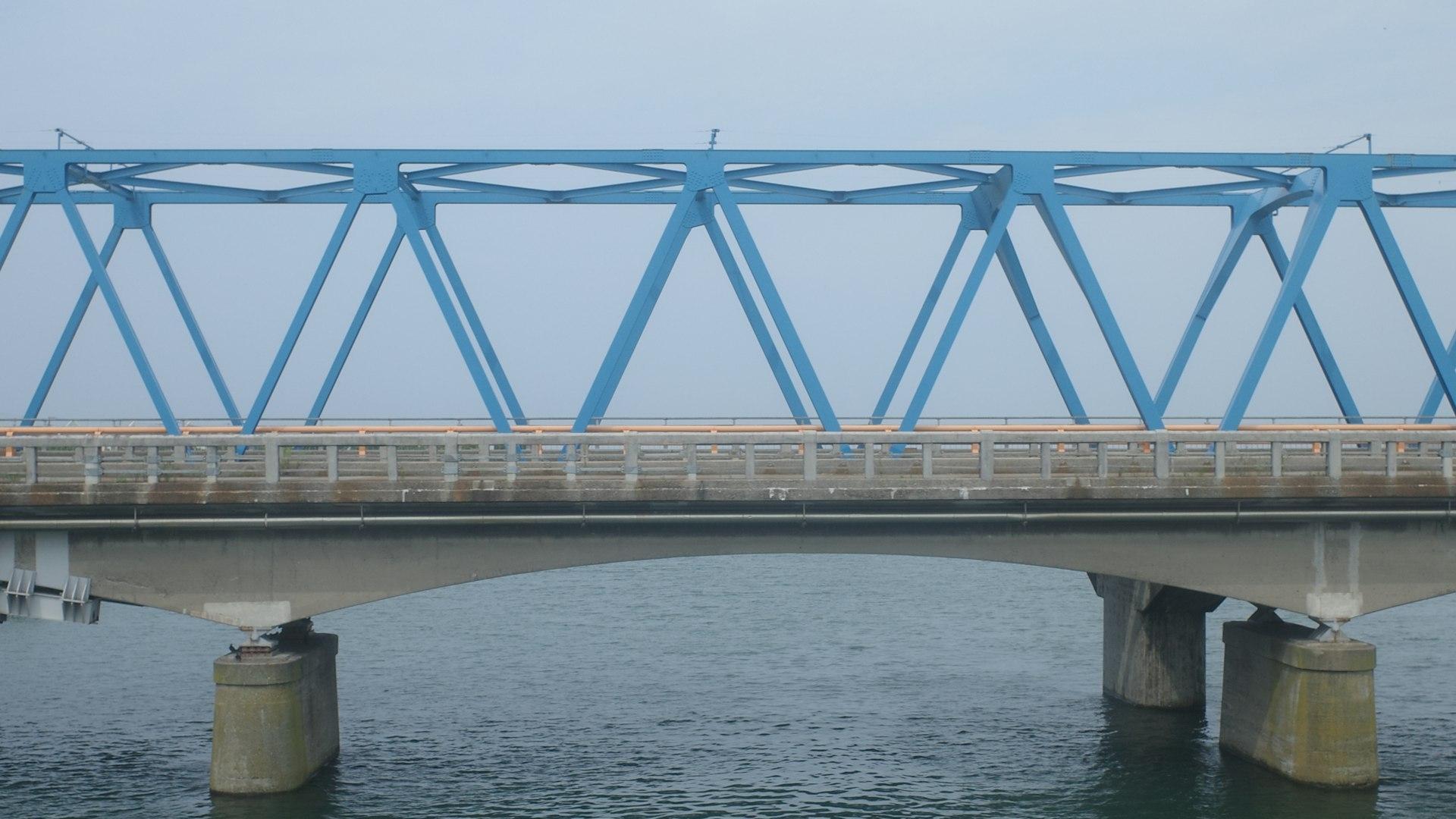
Romania scraps the Danube Bridge toll towards Ruse from 1 October and asks Bulgaria to do the same
From 1 October, drivers crossing the Danube Bridge from Giurgiu into Ruse will no longer pay a toll. Romanian Transport Minister Radu Miruță announced the decision on 23 September, and on Friday, 25 September, Secretary of State at the Romanian transport ministry Horațiu Cosma said Bucharest had proposed that Bulgaria consider a similar measure for the opposite direction, BTA reported.
What exactly changes
Romania is removing tolls on three key bridges over the Danube:
| Bridge | What it connects |
|---|---|
| Giurgiu–Ruse | Romania and Bulgaria – the toll is dropped for traffic from Romania into Bulgaria |
| Fetești–Cernavodă | on the motorway to the Black Sea |
| Giurgeni–Vadu Oii | the Muntenia and Dobrogea regions |
The Romanian government says the aim is to ease congestion, support the economy of the border regions and reduce the administrative and financial burden on people and businesses. The change comes with the new TollRO system, a project under Romania's recovery plan. Trucks will be charged by distance travelled and emissions class – a model that, according to Miruță, 24 other EU countries already use.
Important: the toll for the Ruse-to-Giurgiu direction is collected by the Bulgarian authorities and remains in place. Romania has notified the Bulgarian government and proposed that it consider a similar step. According to Cosma, no new intergovernmental agreement is needed – the existing agreements already allow it.
What it means for Ruse
The Danube Bridge is the only road crossing between the two cities, which lie just a few kilometres apart. For people who cross regularly – for work, shopping, study or family – dropping the toll in one direction is a direct, if modest, relief. Romanian media also expect shorter queues at the toll booths at busy times.
For buyers and investors. Ruse's position as a gateway to Romania and Central Europe has long been part of the case for the city. Anything that makes crossing cheaper and quicker strengthens that case – especially for people who live on one side and work or run a business on the other. We don't expect a single toll to move prices, though: the Ruse market is driven by local incomes, demand and supply. According to NSI data for the second quarter, house prices in Ruse were 0.8% lower than a year earlier but 2.0% higher than in the first quarter, while the number of sales was 7.7% down year on year – see our analysis of the NSI data.
For landlords. An easier link with Giurgiu widens the pool of potential tenants – for example people who work in Romania but prefer to live in Ruse, or the other way round. The effect will be clearer if Bulgaria also scraps its toll and the crossing becomes free in both directions.
The bigger picture. Ruse's links with the rest of Bulgaria are changing too – we covered the plans for the Ruse–Veliko Tarnovo motorway in our article on the Hemus motorway and Veliko Tarnovo. Transport projects feed into prices slowly and unevenly, though, so when buying, judge the specific property and neighbourhood rather than infrastructure promises alone.
In brief
- From 1 October, crossing the Danube Bridge from Giurgiu into Ruse is toll-free; tolls on the Fetești–Cernavodă and Giurgeni–Vadu Oii bridges also go.
- The Ruse-to-Giurgiu toll is collected by Bulgaria and stays; Romania has proposed that Bulgaria scrap it.
- For Ruse this eases everyday cross-border travel; we don't expect a direct effect on house prices.
If you are thinking of buying or letting a property in Ruse and want to weigh the neighbourhood and price against real transactions, give us a call or visit our office.
Source: BTA. This information is general and is not legal or financial advice.

