
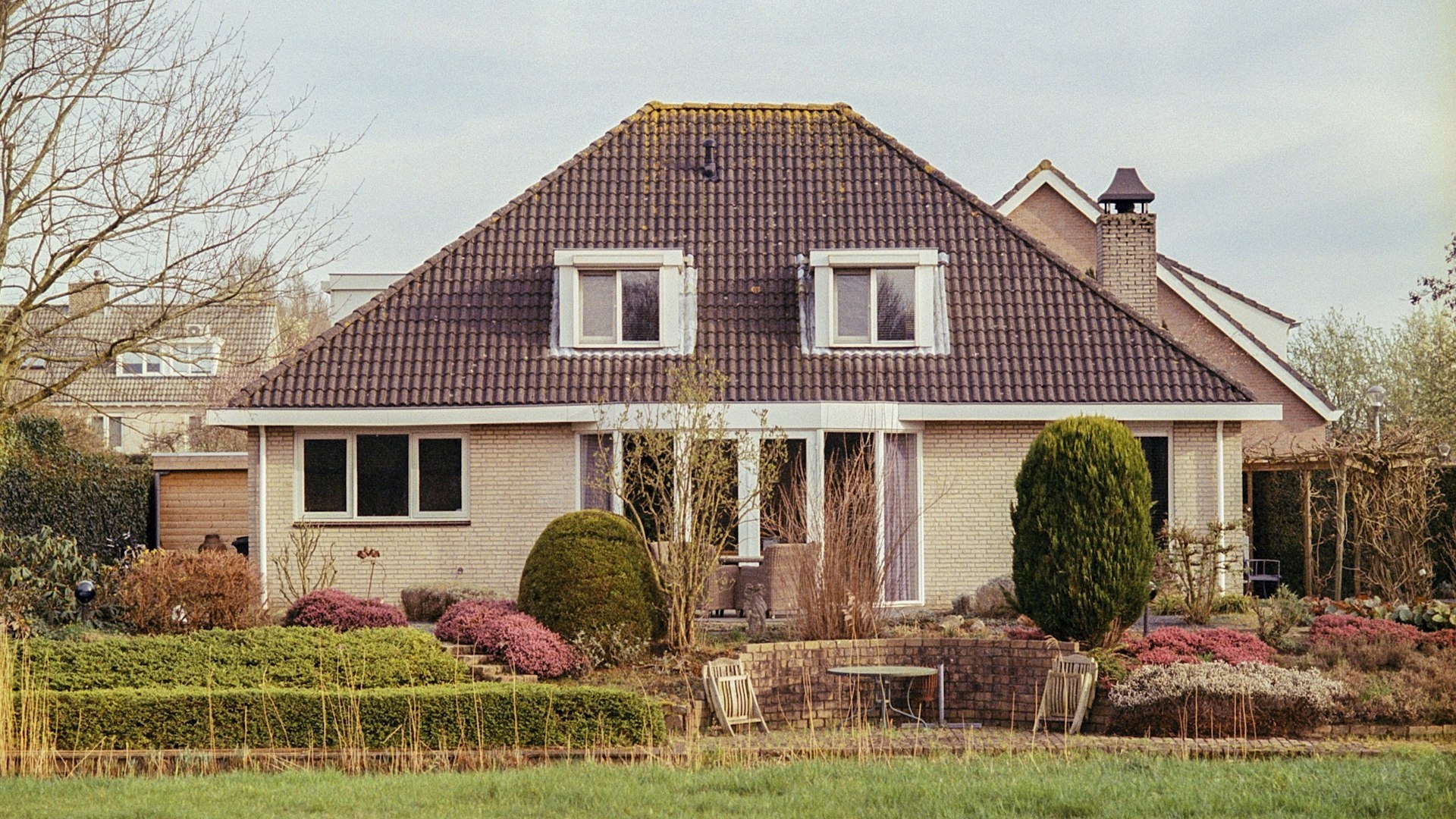
"House or apartment?" is rarely just a question of price. The two have different upkeep economics, take different amounts of time, offer different security and are different to sell years later. Below are the factors we see deciding the choice in practice — and the questions worth asking yourself before you pay a deposit.
In an apartment most building costs are shared. The roof, façade, lift, entrance and risers are maintained by the condominium, and the cost is spread across all owners. You pay monthly maintenance contributions and into the repair and renovation fund, and your share of any major works. It is not always cheap, but it is predictable and shared.
In a house everything is yours: roof, gutters, façade, insulation, fence, garden, septic tank or sewer connection, sometimes your own well or pump. There is nobody to split the roof repair with. Costs arrive in large, uneven chunks — nothing one summer, new waterproofing the next.
A practical rule: when comparing budgets, set aside a separate annual reserve for house maintenance, and for an apartment check the contributions and any upcoming decisions of the general assembly.
Property tax follows the same rules for both — it is charged on the tax valuation at a rate each municipality sets between 0.1 and 4.5 per thousand (Art. 22 of the Local Taxes and Fees Act), with a 50% reduction for a main residence (Art. 25). Details are in our guide Property tax and the waste fee. For a house the valuation includes the land, so the bill can be higher than expected.
Heating differs too. Many blocks in the big cities have district heating or gas to the building; a house usually relies on its own system — gas, heat pump, pellets, wood or electricity. The bigger the house and the weaker the insulation, the more winter costs.
This is the cost people underestimate most. A house with a garden needs regular time: mowing, leaves, snow at the gate, clearing gutters, small repairs, looking after the fence. For some people that is a pleasure and the very reason they want a house. For others — especially two working parents with small children — it becomes a permanent to-do list.
An apartment frees up that time. The price is less space, shared walls and neighbours you share the entrance and decisions with.
An honest question to ask: how many hours a week do you want to spend on the home — and who in the family will actually do it?
In an apartment you have a shared entrance, neighbours around you and usually one front door to protect. The risks are more likely a leak from the flat above or a problem with the shared installations.
A house is more exposed: more entrances, ground-floor windows, a garden that may be left unwatched. That is why fencing, lighting, an alarm, cameras and insurance usually enter the calculation for a house — and they are best budgeted from day one. A house that will stand empty for long periods needs particular attention.
Houses on the edge of the big cities and in the villages around them often mean daily car journeys — sometimes two cars per family. Check on site:
A city apartment usually wins on these points, especially near the metro or a main transport line. A house wins on quiet, air and space — the question is what that costs you every day in minutes.
Banks lend on both, but for a house the valuation covers both the land and the building and is more sensitive to the legality of the structures and access to the plot. A house with unauthorised extensions, unclear boundaries or on land outside the regulated zone can be hard to finance. More on the process in our guide Mortgage loans in Bulgaria.
This is the point rarely discussed when buying, yet it matters most when selling.
If you think you might sell within a few years, liquidity should weigh more heavily in the decision. How new builds and resale homes compare is covered in our analysis.
Between the two extremes there are in-between options: a floor of a house, a house in a gated complex with shared maintenance, a top-floor apartment with a terrace or a ground-floor flat with a garden in a new building. Each carries part of the advantages and part of the limits of both types — and each has its own legal specifics, which we check in every deal.
If you are torn, call us or come into the office. We will show you both houses and apartments within your budget so you can compare them on site — and you can browse current offers among our properties for sale.
This information is general and does not replace individual advice. Verified as of October 2026.
