
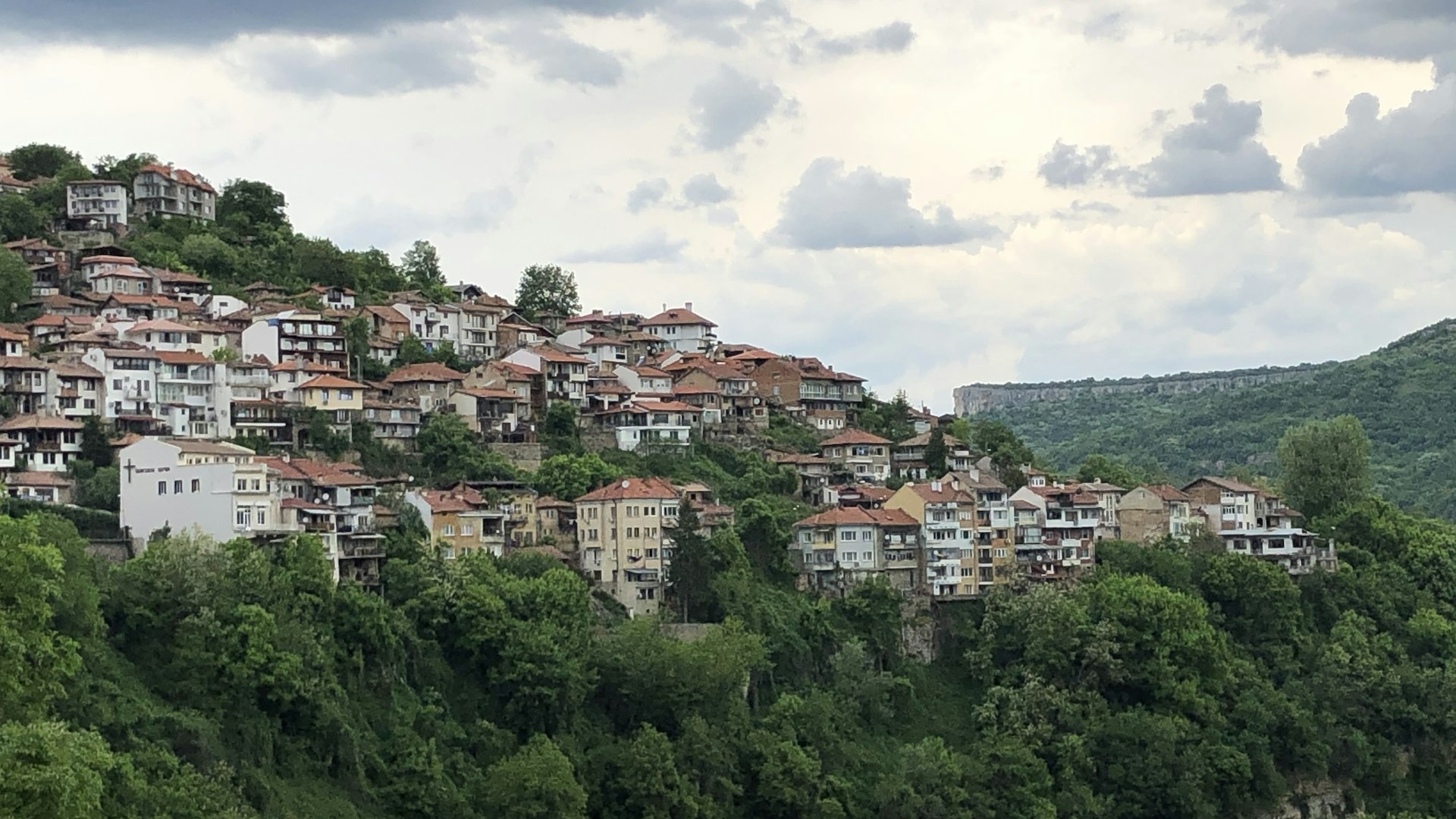
A growing share of property buyers in Bulgaria are not Bulgarian citizens — from Bulgarians who have lived abroad for years and hold another passport, to Europeans looking for a second home or a place to retire. Since 1 January 2026 Bulgaria has been in the euro area, so prices and payments are in euro and currency risk has disappeared for buyers from the eurozone. The legal rules for foreigners, however, have not changed — and they depend above all on one thing: which country's citizen you are.
Anyone, of any nationality, can buy buildings and homes. The restriction concerns land. Under Article 22 of the Constitution and Article 29 of the Property Act, foreigners may acquire land on the terms that follow from Bulgaria's EU membership, under a ratified international treaty, or by statutory inheritance.
Citizens of EU member states and of the European Economic Area (Norway, Iceland, Liechtenstein) buy property on the same terms as Bulgarian citizens — including a house with a garden or a building plot, in their own name. The transitional restrictions that followed accession have expired: for second homes in 2012, and for agricultural and forest land in 2014.
In 2024 the Court of Justice of the EU held that the requirement in Article 3c of the Agricultural Land Ownership and Use Act — that a buyer of farmland must have lived or been established in Bulgaria for at least five years — is incompatible with EU law. That restriction can no longer be applied to EU citizens.
This group includes, for example, buyers from Turkey, Ukraine, Israel and the United States — and, since Brexit, from the United Kingdom.
If you are a UK national who has lived in Bulgaria since before the end of 2020, your rights may be protected under the Withdrawal Agreement — which also needs to be checked individually.
The notarial transaction is conducted in Bulgarian. Where a party does not speak Bulgarian and the notary does not speak that party's language, the notary appoints an interpreter (Article 582 of the Civil Procedure Code). The interpreter translates the draft deed and the declarations and attends the signing. It is also good practice for the preliminary contract to be bilingual.
Alongside the standard transaction documents, the buyer signs declarations under the Anti-Money Laundering Measures Act:
The notary will also ask about your citizenship and marital status. These matter: if you are married, the matrimonial property regime that applies to you determines whether the property will be yours alone or shared with your spouse.
The deal can be signed through a representative. The law, however, requires the power of attorney to be in the same form as the transaction (Art. 37 of the Obligations and Contracts Act) — that is, with the signature and the content notarised. A signature certified by a foreign notary and apostilled does not, as a rule, cover certification of the content, so the safest route is to have the power of attorney certified at a Bulgarian embassy or consulate. A power of attorney drawn up in another language must be officially translated into Bulgarian.
Above the threshold set by the Cash Payments Restriction Act, the price may be paid by bank transfer only — which, for a property purchase, in practice means a bank transfer. Breaches are fined at 25% of the amount paid in cash for individuals.
Citizenship does not change the cost of the transaction:
After the purchase, the owner files a declaration with the municipality for property tax and the waste fee within two months. This applies even if the owner lives abroad — the tax is due whether or not the property is used.
Everything a Bulgarian buyer checks — title, encumbrances, building permits, outstanding debts — applies equally to a foreign buyer. We set it out in our guide to legal checks before buying. The difference is that foreign buyers more often sign remotely and in an unfamiliar language, so every step should be clear before you reach the notary.
We work with buyers from Bulgaria and from abroad. Before you commit to a property, we check whether your citizenship allows a direct purchase or calls for a different structure, coordinate the interpreter and the notary, and prepare the power of attorney if you will be signing from a distance.
Call us or visit our office — we will look at the specific property and your situation before you pay a deposit.
The information is current as of September 2026 and is general in nature. It does not replace legal advice on a specific case.