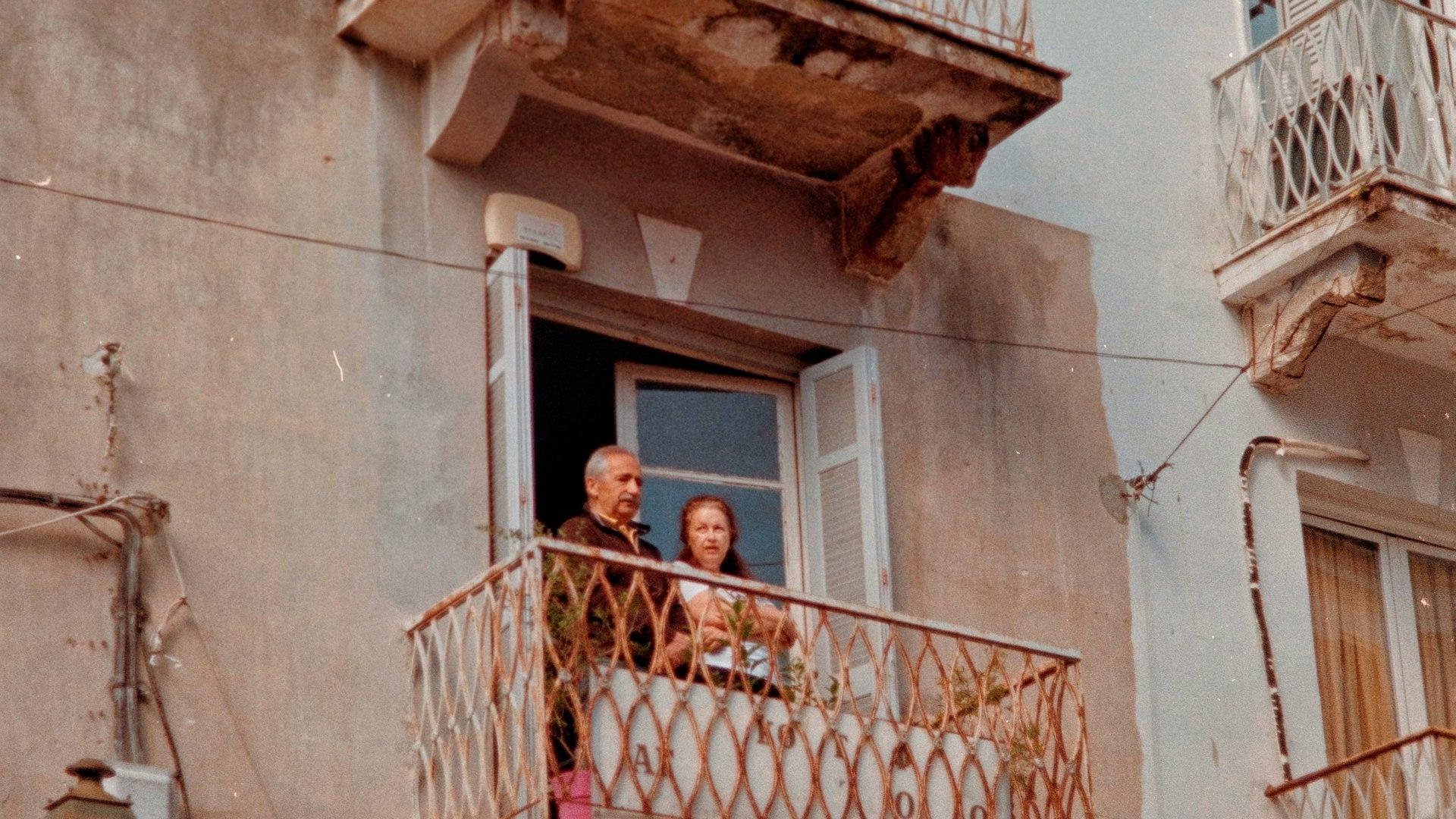
Buying a home for your parents in Bulgaria: whose name it should be in, how it works with a mortgage, which taxes apply and what happens on inheritance
More and more of our clients are buying a home for their parents rather than for themselves. The reasons vary: to be closer to the children and grandchildren, a floor with a lift instead of a fourth-floor walk-up, a smaller flat instead of a large house in a village. The money often comes from several places: the adult child's savings, the sale of the parents' old home, sometimes a loan.
Deciding who will be the owner looks like a formality, but it is not. It determines how well the parents are protected, the taxes, the loan, and what happens to the home on inheritance, especially when there are brothers and sisters. Here are the options and their consequences. The information is as of August 2026.
The three main options
| Option | Who owns it | Main advantage | Main risk |
|---|---|---|---|
| 1. In the child's name | The child (and their spouse, if married) | The child keeps the property; no inheritance from the parents | Without a registered right of use, the parents have no protection |
| 2. In the parents' name | The parents | The parents are full owners | The home passes to all heirs, regardless of who paid |
| 3. Co-ownership | The child and the parents in set shares | The shares reflect who paid what | The parents' share is inherited; in a dispute, co-ownership is hard to manage |
Option 1: the home is yours, your parents live in it
If you simply let your parents live in the flat, legally they are there with your permission. That gives them little protection if you sell, if you divorce, or if you have creditors.
That is why a right of use (usufruct) is often created for the parents, by a notarial deed registered in the Property Register. Under the Property Act:
- the user may use the property according to its purpose (Art. 56(1)), but cannot transfer the right (Art. 56(2));
- the user pays the costs of use, including taxes and fees (Art. 57(1));
- the right of use ends on the user's death (Art. 59(1)). After that your ownership becomes full, with no inheritance procedure for this home.
Once registered, the right binds any later buyer or creditor.
If you are married. A home bought during a marriage is, as a rule, joint property of both spouses, whichever name is on the deed. Joint contribution is presumed unless proven otherwise (Art. 21(1) and (3) of the Family Code). The exception is a home acquired entirely with personal assets (Art. 23(1) Family Code), for example with the proceeds of selling a property you owned before the marriage. But you must be able to prove it. In that situation, creating a right of use for your parents also requires the consent of both spouses.
If you are buying with a mortgage. The mortgage is in the bank's favour, and a right of use for third parties affects the bank's security. Discuss with the bank in advance whether and when such a right can be created. How the mortgage itself works is explained in our guide to mortgage loans in Bulgaria.
The young-family tax relief on mortgage interest (Art. 22a Personal Income Tax Act) applies only to a home that is the family's only home during the year. If you already own a home, the relief does not apply to the one you buy for your parents.
Option 2: the home is in your parents' name
When the parents buy with their own money, for example from the sale of their old home, this is the simplest solution.
You do, however, need to know what happens on inheritance. Under the Inheritance Act, children inherit in equal shares, and a surviving spouse receives a share equal to each child's (Art. 5(1) and Art. 9(1)). If you paid part of the price but the property is entirely in your parents' name, the home will one day be divided among all the heirs, including brothers and sisters who did not contribute.
Your options:
- A written loan agreement between you and your parents, so that your money remains a claim and does not look like a gift.
- A will in favour of the child who paid. A will cannot, however, encroach on the other heirs' reserved share. That is 1/2 of the estate with one child and 2/3 with two or more children, and the spouse's reserved share equals that of each child (Arts. 28 and 29 Inheritance Act). A will or gift that encroaches on the reserved share can be reduced at the heirs' request (Art. 30 Inheritance Act).
- Co-ownership from the start (option 3).
A loan in the parents' name. Banks take into account the borrower's age and the loan term. If your parents are older, the term may be shorter and the monthly payment higher. A common solution is for the child to be a co-borrower. Ask the bank about the specific terms.
Option 3: co-ownership
You and your parents buy together, and the notarial deed records the shares, for example in proportion to what each paid. If the shares are not stated, they are presumed equal unless proven otherwise (Art. 30(2) Property Act).
Each co-owner may use the shared home without preventing the others from doing so (Art. 31(1) Property Act). When a parent dies, their share passes to all the heirs, while your own share stays yours. If one of the heir co-owners lives in the home alone, the others can claim compensation from the date of a written demand (Art. 31(2) Property Act). This is a frequent cause of disputes between siblings.
Taxes
On purchase. The local acquisition tax is between 0.1% and 3%, depending on the municipality, plus notary and registration fees. Our notary fee calculator gives a guide.
Gifts and inheritance between parents and children. A gift between direct (lineal) relatives, such as money for the purchase or a right of use, is not subject to local gift tax. Inheritance from parents to children is not subject to inheritance tax either.
Annual building tax. The owner pays it; where a right of use has been created, the user pays (Art. 11(1) and (3) Local Taxes and Fees Act). The 50% reduction for a main home (Art. 25(1)) applies to only one home. If more than one main home is declared, the relief is lost (Art. 25(3)). If you already use it for your own home, your parents' home in your name will be taxed in full. Check with the municipality how it will be taxed in your case.
On a future sale. Income from selling one home owned for more than 3 years is not taxed (Art. 13(1)(1)(a) Personal Income Tax Act). Nor is the sale of a property acquired by inheritance (Art. 13(1)(26)). More detail is in our guide to tax when selling property.
A practical order of steps
- Decide as a family whose home it will be and how contributions will be settled. If you have brothers or sisters, talk to them openly and early.
- Pay by bank transfer, so it is clear whose money it is.
- If you are buying with a loan, talk to the bank first, before signing a preliminary contract.
- If you are married, agree with your spouse whether the home will be joint or personal, and how you will prove it.
- Put the right of use, the loan or the shares in a notarial deed or a written agreement, at the purchase itself or straight after it.
In short
- In the child's name: the parents are protected only with a registered right of use; if the child is married, the home is, as a rule, joint marital property.
- In the parents' name: the home passes to all heirs equally; a will is limited by the reserved share.
- Co-ownership: write down the shares, otherwise they are presumed equal.
- Gifts and inheritance between parents and children are not taxed; with a right of use, building tax is paid by the user.
If you are looking for a home for your parents and want to structure the purchase properly, call us or come into the office. We will help you find the home and agree the paperwork with the notary.
The information is general and indicative and does not replace a consultation.