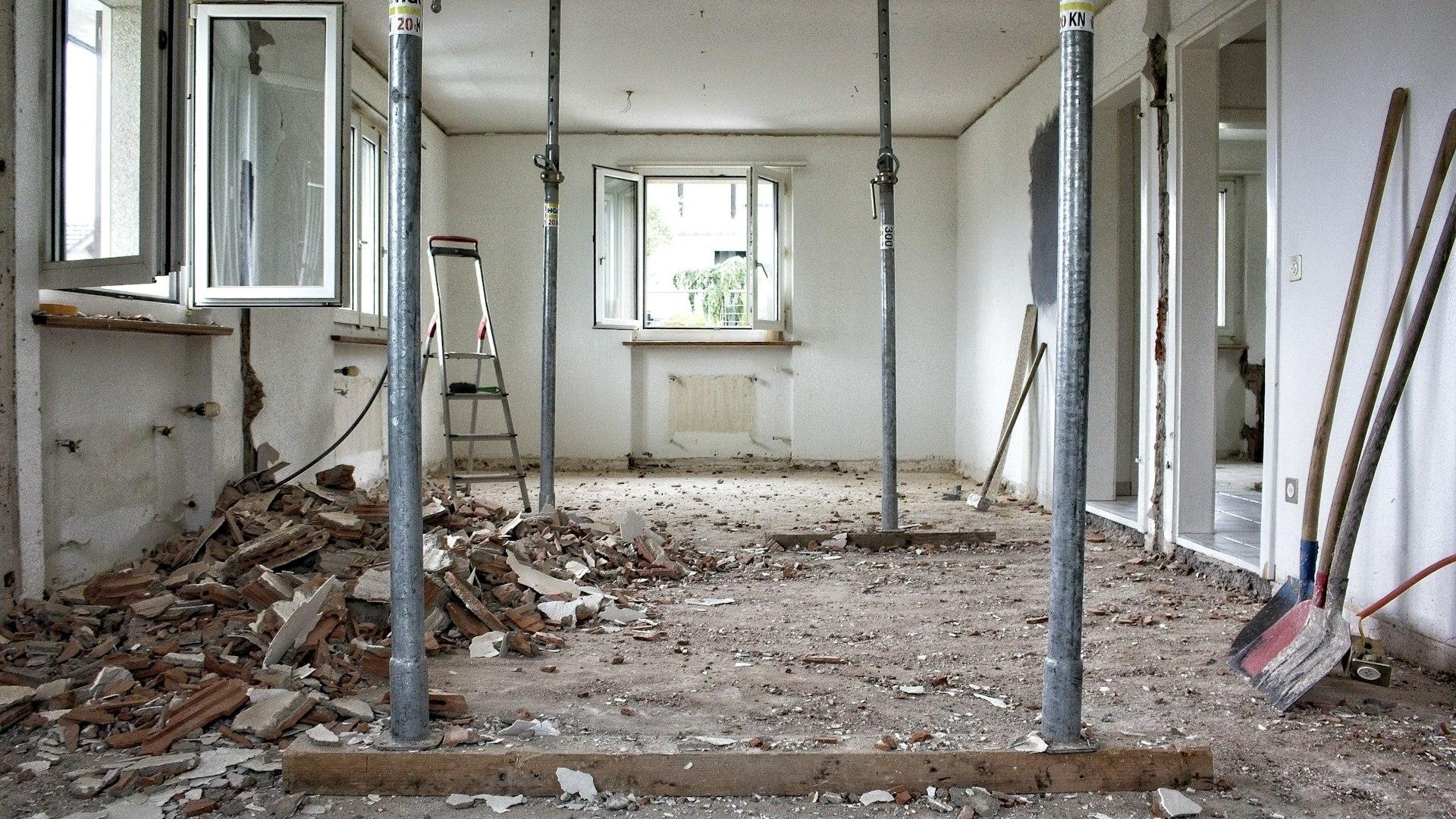
Buy, renovate, sell: the numbers, the taxes, and when flipping property in Bulgaria becomes a business
An old flat at a good price, three months of renovation and a sale at a profit: the buy–renovate–sell model attracts more people every year. Sometimes it works. Often, though, the profit worked out on the back of an envelope shrinks once every cost, the time involved and the tax are added in.
This guide walks through the full calculation and the tax rules that apply to a quick resale. The last part covers the point at which a series of resales stops being a private matter and becomes a business.
The information is verified as of November 2026. It is not tax advice for a specific case.
The calculation: five groups of costs
Profit is not the difference between the purchase and sale price. It is what remains after five groups of costs.
1. Buying. The price, plus the local acquisition tax (between 0.1% and 3% depending on the municipality, Art. 47(2) of the Local Taxes and Fees Act), the notary fee, registration and possibly a commission. You can work out the figures for a specific deal with our notary calculator.
2. Renovation. Materials, labour, a design where one is needed, and a contingency. With older properties surprises are the rule: wiring, plumbing, damp, uneven walls. Build the contingency in from the start, and sign a clear contract with the contractor, with stages and deadlines. Our guide to renovation contracts explains how.
3. Holding. While the property is being renovated and marketed, you pay building tax and the waste fee, utilities, insurance and, if you borrowed, interest. Every month without a buyer is a cost.
4. Selling. Commission, paperwork, sometimes professional photos and staging.
5. Tax. Usually 10% of the taxable gain; details below.
Tax on a quick resale
The exemption from tax on a property sale requires a minimum holding period: more than 3 years for one home, or more than 5 years for up to two properties (Art. 13(1)(1) of the Personal Income Tax Act). Our guide to tax when selling property covers those rules in detail.
A flip is quick by definition, so the exemption almost never applies. Taxable income is then calculated under Art. 33(1):
- take the positive difference between the sale price and the documented acquisition price;
- reduce it by 10% statutory costs;
- pay 10% tax on the result.
If there is no document proving the acquisition price, it is taken as zero. Keep the notary deed and the payment records.
Does the renovation count?
This is the key practical question. In one of its opinions the National Revenue Agency (NRA) accepted that the acquisition price includes construction work paid for and documented with invoices, while payments without documents do not count. That opinion concerned the construction of a building.
Whether, and to what extent, invoices for renovating an existing home increase the acquisition price is assessed case by case. So the rule is simple: pay for everything by bank transfer, against invoices in your name. Cash work without paperwork is a cost that does not reduce the tax and cannot be proven in an audit.
Example (illustrative figures)
These figures are illustrative, not market data:
| € | |
|---|---|
| Purchase price | 100,000 |
| Renovation, invoiced | 20,000 |
| Sale price | 140,000 |
| Gain if renovation is recognised | 20,000 → taxable income 18,000 → tax 1,800 |
| Gain if renovation is not recognised | 40,000 → taxable income 36,000 → tax 3,600 |
Now take the acquisition tax, notary fees, commissions, interest and holding months out of the gross €20,000. It is not unusual for the real profit to be half of what was expected. That is why the calculation belongs before you buy, not after the renovation.
When reselling becomes a business
The Commerce Act lists "the purchase, construction or furnishing of real property for the purpose of sale" as a commercial transaction (Art. 1(1)(14)). Anyone who carries out such transactions as a regular occupation is a trader.
The consequence is significant. The exemptions in Art. 13 of the Personal Income Tax Act do not apply to income from business activity as a trader under the Commerce Act, including as a sole trader (Art. 13(5)). The income is then taxed under the business-income rules rather than Art. 33.
The law does not set a number of transactions after which this happens. It depends on the circumstances:
- intent at the time of purchase: to live in, or to resell;
- repetition: how many properties, over what period;
- organisation: financing taken specifically to buy and resell, permanent work crews, advertising and marketing like a professional seller.
The widely quoted "three deals in 12 months" is a rule of thumb from practice, not a legal threshold.
VAT: when it becomes relevant at all
Under the VAT Act, a taxable person is one who carries out an independent economic activity (Art. 3). The EU Court of Justice has held that selling property is such an activity for an individual when they take active steps to market it, comparable to those of a trader, rather than simply managing their private assets (joined cases C-180/10 and C-181/10 Słaby, 15 September 2011). The NRA has likewise found that an individual who sold three homes in succession did not become a taxable person where the circumstances pointed to no such activity.
The 2026 mandatory registration threshold is €51,130 of taxable turnover in the calendar year. The application must be filed within 7 days of exceeding it.
The type of property matters too:
- Older property. Selling a building that is not new is an exempt supply (Art. 45(3) of the VAT Act). According to an NRA opinion, it does not count towards the registration turnover. For a typical flip of an older flat, VAT is usually not the main risk.
- New building. A sale of a new building by a registered person is subject to 20% VAT. If you buy a new home to resell it quickly, the numbers are different.
The Ministry of Finance has proposed changes from 2027: a €75,000 threshold and mandatory registration before selling a new building or a plot. As of November 2026 these are draft proposals; see what the draft provides.
As an individual or through a company?
Where flipping is a systematic activity, some investors use a company. The numbers work differently:
- the company's profit is taxed at 10% corporate tax, but all documented costs are deductible: renovation, interest, commissions, fees;
- paying the profit out as a dividend costs a further 5%;
- the Art. 13 exemptions do not apply to a company;
- there are accounting and administrative costs every year.
For one deal every few years this rarely pays. For several deals a year it is a conversation to have with an accountant before the first purchase.
How we approach it
When a client is looking for a property to flip, we work the numbers backwards: what renovated homes in the same neighbourhood actually sell for, how long a sale takes, and the maximum purchase price at which a worthwhile profit remains after all costs and tax. If that figure is below the asking price, sometimes the best deal is not to buy.
In short
- The profit on a flip is what remains after five groups of costs: buying, renovation, holding, selling and tax.
- On a sale within 3 years, taxable income is the gain over the documented acquisition price, less 10%, taxed at 10% (Art. 33 of the Personal Income Tax Act).
- Pay for renovation by bank transfer, against invoices in your name.
- Systematically buying to resell is a commercial transaction (Art. 1(1)(14) of the Commerce Act); the Art. 13 exemptions then fall away (Art. 13(5)).
- The VAT threshold is €51,130 per calendar year. Selling an older property is exempt; selling a new one is taxed at 20%.
If you are considering buying a property to renovate and resell, call us or come into the office. We will run the numbers with you before you sign.
Information verified as of November 2026. The example uses illustrative figures. This article is not tax advice; for a specific case, consult an accountant.

