
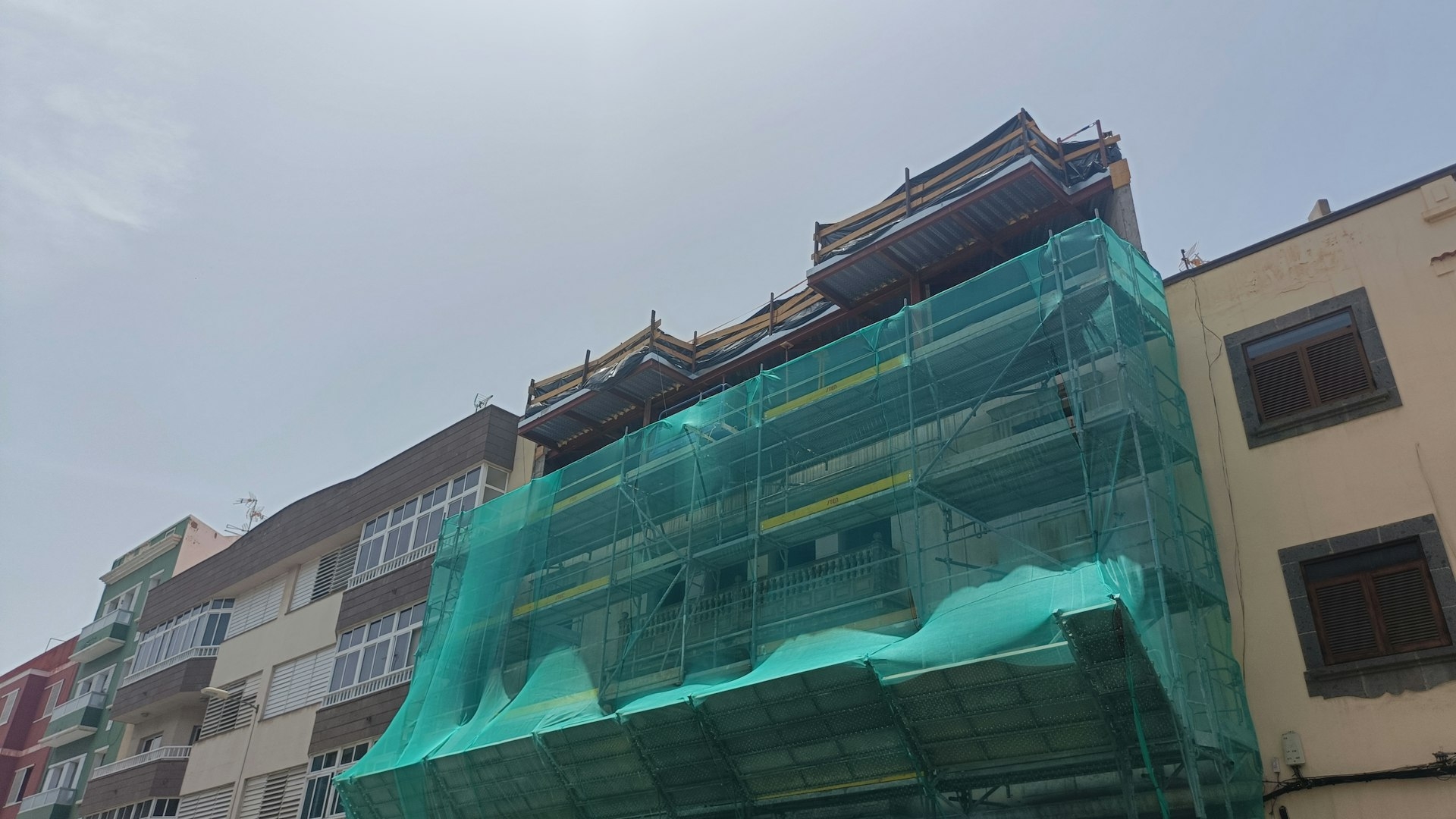
When you buy a flat in a panel or brick apartment block in Bulgaria, "has the building been renovated?" is no longer just a question about the heating bill. In 2026 two things are happening in parallel: hundreds of blocks are moving into renovation with funding already secured, while the large new programme talked about since spring has yet to open. For buyers and sellers, that translates into specific questions best asked before the deposit, not after.
At the beginning of September 2026, the Bulgarian Development Bank (BDB) — which this year took over management of renovation under the National Recovery and Resilience Plan — announced that it had signed financing agreements for 630 multi-family residential buildings in more than 100 municipalities, covering about 1.3 million m² of floor area. Total funding is €332.5 million: an original €246.6 million plus €85.9 million added in the August revision of the plan. The deadline for the agreements — 31 August 2026 — was met.
Two details matter to owners:
In spring the Ministry of Regional Development announced a second, larger programme — over €1.2 billion until 2029 — which is also meant to cover assessment, repair or replacement of lifts in renovated buildings. The launch was planned for June, but as of late August the final rules, application documents and allocation by municipality (including for Sofia) had not been published. At the time of writing, the programme is not open for applications.
What has been made public so far points to requirements familiar from earlier programmes: the whole block applies (all entrances together), an owners' association is required, and the decision to take part needs a qualified majority (67% in previous programmes, with near-unanimous consent needed in practice for the construction works themselves). The final conditions will only be clear once the guidelines are published, so treat these as a guide, not a guarantee.
The longer-term direction has also been set out: the state is moving from a "fully free" model towards a mix of grants, loans and private financing. Grants remain, but no longer by default for everyone.
For the buyer. A renovated building is a real plus — lower bills, better appearance and usually a better energy class. But there is a flip side: a block that is about to be renovated means scaffolding, noise and restrictions for months. If you are buying to move in straight away or to let, that belongs in the calculation.
For the seller. If the building is approved or has funding contracted, that is a genuine selling point — but only if it is documented. "I heard we were approved" is not a negotiating argument; a copy of the general assembly decision and the agreement is.
On tax — a trap few people know about. The Local Taxes and Fees Act grants a temporary property-tax exemption to buildings certified at certain energy classes. The exemption, however, does not apply where the certificate results from measures financed with public funds — in other words, after free renovation under a programme. We cover the relief in detail in our guide to property tax and the waste fee.
If the sale completes while renovation is under way, agree in the preliminary contract who bears any condominium contributions voted before the transfer.
Renovation is a real plus for a flat — but its value depends on what stage it has reached and whether it is documented. As of October 2026, 630 blocks have secure funding and a deadline of end-2029; the new programme worth over €1.2 billion is coming, but its rules are not yet known.
If you are buying or selling a flat in an apartment block and want to understand what renovation means for that specific property, call us or visit our office. We will go through the condominium documents together before it ever gets to a deposit.
